
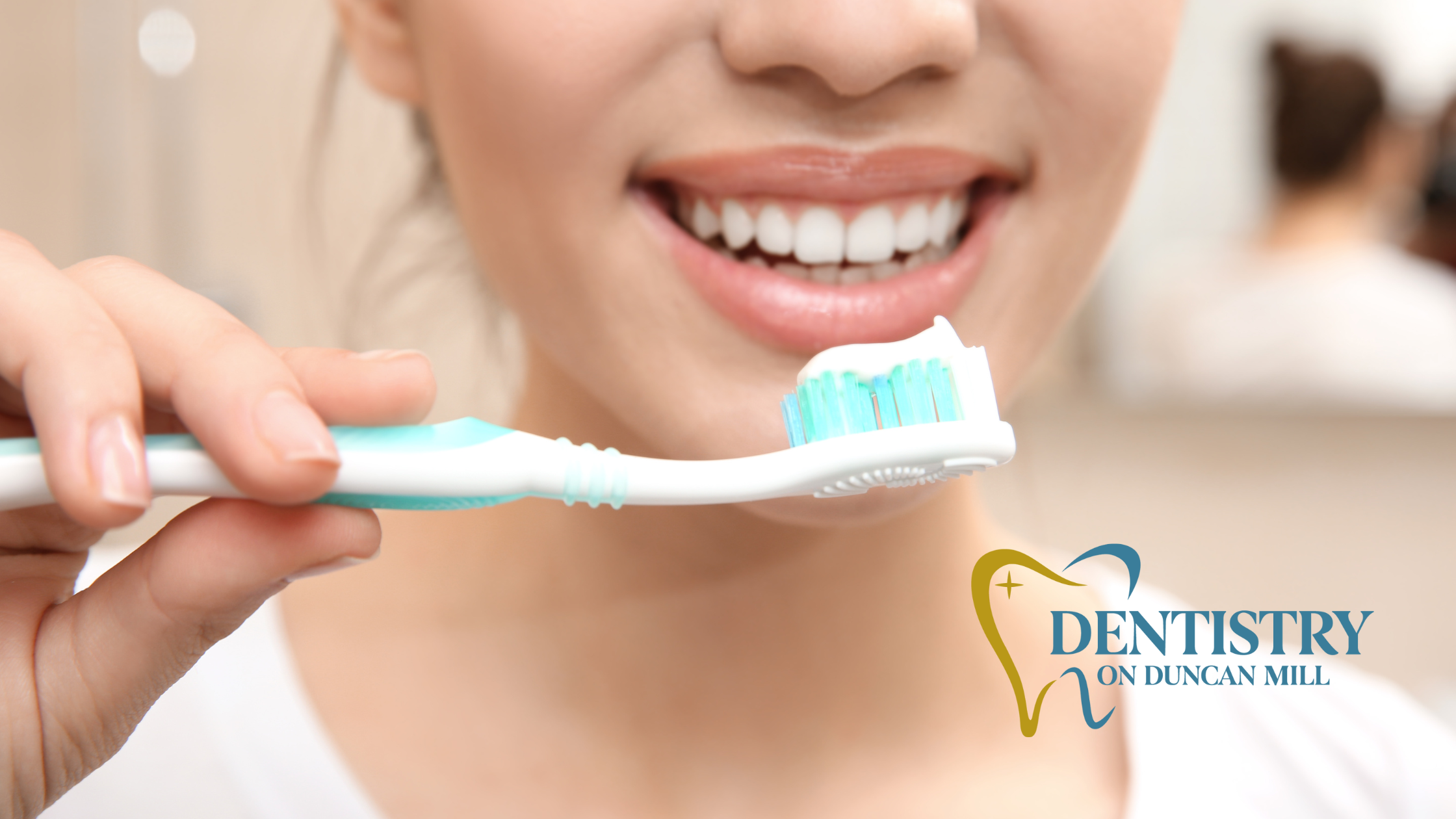
Effectiveness is often the first thing that comes to mind when considering whitening toothpastes. You might be wondering if these products can truly deliver on their promises of a brighter smile.
In this blog post, we’ll explore the science behind whitening toothpastes, how they work, and what results you can realistically expect. By understanding the ingredients and their functions, you can make an informed choice about whether to incorporate these products into your dental care routine for enhanced oral aesthetics.
Key Takeaways
- Whitening toothpastes primarily target surface stains and can lighten teeth by one or two shades; however, they are not effective on deep stains.
- Ingredients like hydrogen peroxide and abrasives help with whitening, but excessive use of abrasive formulations can damage enamel and cause sensitivity.
- Combining whitening toothpastes with good oral hygiene, diet changes, and professional treatments yields the best results.
The Chemistry of Whitening Agents
Understanding the chemistry behind whitening agents can illuminate how they affect your teeth and overall oral health. Many whitening toothpastes use a combination of abrasives and chemical agents that work to remove stains and lighten tooth color.
With each application, these ingredients work together to break down discoloration, making your smile appear brighter and more vibrant over time. However, the effectiveness of these agents can vary, and knowing what to look for can help you choose wisely.
“When choosing a whitening toothpaste, look for those accredited by reputable organizations like the Canadian Dental Association, as these have undergone testing to ensure safety and a measurable level of efficacy over time.” – Dentistry on Duncan Mill, located on Duncan Mill Rd. in North York, ON
Common Ingredients in Whitening Toothpastes
Whitening toothpastes often contain several key ingredients. Common agents include hydrogen peroxide, carbamide peroxide, and baking soda.
Abrasives like silica and calcium carbonate are also utilized, as well as special compounds designed to remove surface stains caused by food and drink. Each of these ingredients has a unique role in the overall whitening process, so understanding their contributions is beneficial.
How These Ingredients Interact with Teeth
The interaction of these ingredients with your teeth can lead to visible results but also requires careful consideration to avoid damage. Abrasive agents help physically scrub away surface stains, while hydrogen peroxide and carbamide peroxide penetrate the enamel to break down deeper discolorations.
This technique is primarily effective against extrinsic stains; intrinsic stains typically require professional whitening treatments.
“It’s important to remember that intrinsic stains often require advanced treatments like professional whitening or veneers, as they go beyond what surface-level remedies can address.” – Dentistry on Duncan Mill, located on Duncan Mill Rd. in North York, ON
When whitening toothpastes utilize hydrogen peroxide, the compound releases free radicals that target stain molecules, effectively breaking them apart. This technique means that both intrinsic and extrinsic stains can be addressed.
Abrasives, on the other hand, help in mechanically polishing the teeth, which enhances the overall brightness by removing plaque and surface stains. While these interactions can lead to a whiter smile, overuse of highly abrasive formulations can lead to enamel wear and increased sensitivity, making moderation key in your whitening regimen.
Efficacy of Whitening Toothpastes
Whitening toothpastes claim to brighten your smile, but their efficacy can vary widely. They usually contain mild abrasives and chemical agents like hydrogen peroxide or baking soda to help remove surface stains.
The Canadian Dental Association (CDA) approves some whitening toothpastes that have demonstrated safety and limited whitening efficacy when used as directed.
While these products can yield noticeable improvements for some individuals, others may see little to no change. Your unique dental needs, the specific product you’re using, and your regimen all play a role in how effectively a whitening toothpaste will work for you.
What Research Shows: Clinical Studies
Clinical studies on whitening toothpastes have shown that many can lighten tooth color by one to two shades, primarily through the removal of surface stains. In a 2014 study published in the Journal of Dentistry, participants using hydrogen peroxide-based toothpaste experienced a measurable reduction in tooth discoloration over four weeks.
Keep in mind, however, that results can vary based on the initial color of your teeth and consistency in application.
Factors Affecting Results: Dental Health and Staining Types
Your dental health and the type of stains on your teeth can significantly influence the effectiveness of whitening toothpastes. For instance, intrinsic stains—those that occur beneath the enamel, often due to aging or certain medications—are less responsive to over-the-counter whitening products.
Conversely, extrinsic stains from food, beverages, and tobacco are more likely to be lifted by regular use of whitening toothpaste. It’s crucial to identify the nature of your tooth discoloration to set realistic expectations.
| Factor | Impact on Whitening |
| Intrinsic Stains | Minimal effect from whitening toothpaste |
| Extrinsic Stains | Significant removal possible |
| Overall Dental Health | Affects whitening results |
| Frequency of Use | Consistent, appropriate use improves results over time |
| Type of Toothpaste | Formulations vary in effectiveness |
Focusing on your dental health allows for a more tailored approach to whitening. Regular dental check-ups can help identify intrinsic stains needing professional intervention.
On the other hand, maintaining good oral hygiene and using the right whitening toothpaste can combat extrinsic stains effectively. Your diet plays a role too; certain foods may stain your teeth and affect the overall health of your enamel.
“Limiting foods like coffee, tea, and red wine, while incorporating natural stain-fighters like crunchy fruits and vegetables, is an excellent way to protect your enamel and improve your whitening results.” – Dentistry on Duncan Mill, located on Duncan Mill Rd. in North York, ON
- Your daily routine should include brushing twice a day.
- Consider mixing in professional whitening treatments for enhanced results.
- Use products specifically designed for your particular staining type.
- Incorporate mouthwash with whitening properties for additional support.
- Be aware that consistency is critical for optimal results.
| Recommendation | Notes |
| Brushing Twice Daily | Foundation for dental hygiene |
| Regular Dental Cleanings | Helps manage both intrinsic and extrinsic stains |
| Limited Staining Foods | Reduces future staining |
| Hydration | Maintain saliva flow to protect enamel |
| You must consult your dentist for tailored advice. |
The Role of Lifestyle and Maintenance
Your daily habits significantly influence the effectiveness of whitening toothpastes. While these products can help remove surface stains, a comprehensive approach to oral care—including your diet and hygiene routine—can amplify the results.
Consistently maintaining a healthy lifestyle supports your whitening efforts and promotes overall dental health. By combining effective products with smart choices, you can achieve a brighter, lasting smile.
Dietary Habits that Impact Whitening Effectiveness
The foods and beverages you consume play a vital role in how effective whitening toothpastes can be. Foods and drinks high in acidity, like citrus fruits or red wine, can lead to enamel erosion, which makes your teeth more susceptible to stains.
On the other hand, crunchy fruits and vegetables, such as apples and carrots, can naturally scrub your teeth and aid in maintaining your whitening results. Aligning your diet with your oral health goals will enhance the performance of your whitening regimen.
Daily Oral Hygiene Practices and Their Influence
Regular brushing, flossing, and using mouthwash are crucial to maximizing the benefits of whitening toothpastes. Brushing twice a day with a fluoride toothpaste eradicates plaque and prevents stains from setting in.
Flossing daily is equally important because it removes debris from between teeth, where your brush might miss. By using a whitening toothpaste consistently, alongside these practices, you can significantly improve your overall results and prolong the brightness of your smile.
Consumer Claims vs. Reality
The marketing claims surrounding whitening toothpastes often promise results that may not align with actual outcomes. Many brands advertise visible brightness after just a few uses, creating high expectations.
However, clinical studies frequently reveal that these products provide only minimal improvements, typically in the range of one to two shades whiter. While consumer testimonials can be glowing, they don’t always reflect the average user experience, as results can vary based on individual factors like stain type and oral hygiene habits.
Marketing Strategies: Are They Misleading?
Advertising for whitening toothpastes plays heavily on visual appeal, often featuring bright, white smiles that set unrealistic benchmarks. The use of terms like “whitening” and “whitening agents” can mislead consumers into believing these products offer the same results as professional treatments, when in fact, they may only be effective at removing surface stains.
Compounding the issue, some brands use clever language that emphasizes the use of “natural” ingredients without clarifying the limited efficacy compared to traditional whitening methods.
User Experiences: Surveys and Feedback
Surveys from users of whitening toothpastes yield mixed results, with many expressing satisfaction but also disappointment regarding efficacy. According to some consumer surveys, a majority of users report limited color change after using whitening toothpaste for several weeks. However, outcomes vary significantly based on individual factors.
Feedback from various forums presents anecdotes of users who had high expectations for the products, only to discover that they failed to live up to their claims, thereby highlighting a gap between consumer expectations and reality.
User experiences reveal a complex landscape when it comes to whitening toothpastes. Many consumers share their journeys, often detailing a lack of dramatic results despite consistent use.
In addition to the brand-specific performance, individual factors such as enamel health and the presence of more stubborn stains can greatly influence outcomes. While some users report a slight brightening effect, others find that over-the-counter products fall short of their expectations, leading to purchases of more intensive treatments.
This divide emphasizes the necessity for consumers to research and understand which products might work best for their unique dental needs.
Alternatives to Whitening Toothpastes
If whitening toothpastes aren’t giving you the results you desire, there are other options available. Professional dental treatments, such as in-office bleaching and take-home kits, can provide more noticeable results.
Alternatively, at-home remedies, like baking soda or activated charcoal, have gained popularity. However, these DIY solutions come with potential risks, which you’ll want to consider before trying them.
Exploring these alternatives lets you decide which method best suits your dental needs and comfort level.
Professional Treatments: Benefits and Costs
Professional whitening treatments can significantly brighten your smile within one visit. In-office procedures typically yield immediate results, with costs averaging between $300 and $1,000 depending on the treatment’s intensity. Dental professionals tailor the process to your specific needs, ensuring safety and effectiveness.
Many clinics also provide at-home kits, which generally range from $100 to $400. While professional options might seem pricey, the results often justify the expense.
At-Home Remedies: DIY Solutions and Their Risks
At-home remedies like baking soda and activated charcoal are popular but not generally recommended by dental professionals due to their potential to damage enamel with frequent use. These ingredients can be found in most homes and are often perceived as cost-effective solutions.
However, excessive use of these products can lead to enamel erosion and tooth sensitivity, creating more problems than they solve. Moreover, the effectiveness of these remedies varies significantly between individuals and may not offer the desired results.
Using at-home remedies without proper guidance can inadvertently damage your enamel or irritate your gums. For example, baking soda, while mildly abrasive, can erode enamel over time if used too frequently.
Similarly, hydrogen peroxide can cause irritation or sensitivity if not diluted properly. If you’re contemplating these solutions, it’s wise to consult your dentist first to understand the potential risks associated with each method and find safer alternatives tailored to your dental health.
To wrap up
Whitening toothpastes vary in effectiveness, depending largely on their ingredients and the nature of tooth discoloration. While they can help remove surface stains and enhance the brightness of your smile, they may not deliver the dramatic results you might anticipate.
For optimal results, consider combining whitening toothpastes with professional treatments or lifestyle changes, such as avoiding stain-causing foods and beverages. Ultimately, it’s vital to have realistic expectations and to choose products that suit your dental health needs.
Ready for a Brighter Smile?
While whitening toothpastes can help with surface stains, nothing beats the results of professional care. If you’re looking for safe, effective whitening options tailored to your needs, our team at Dentistry on Duncan Mill is here to help.
Visit us on Duncan Mill Rd. in North York, ON, or contact us today to schedule your consultation!
Reviewed by: Dentistry on Duncan Mill