
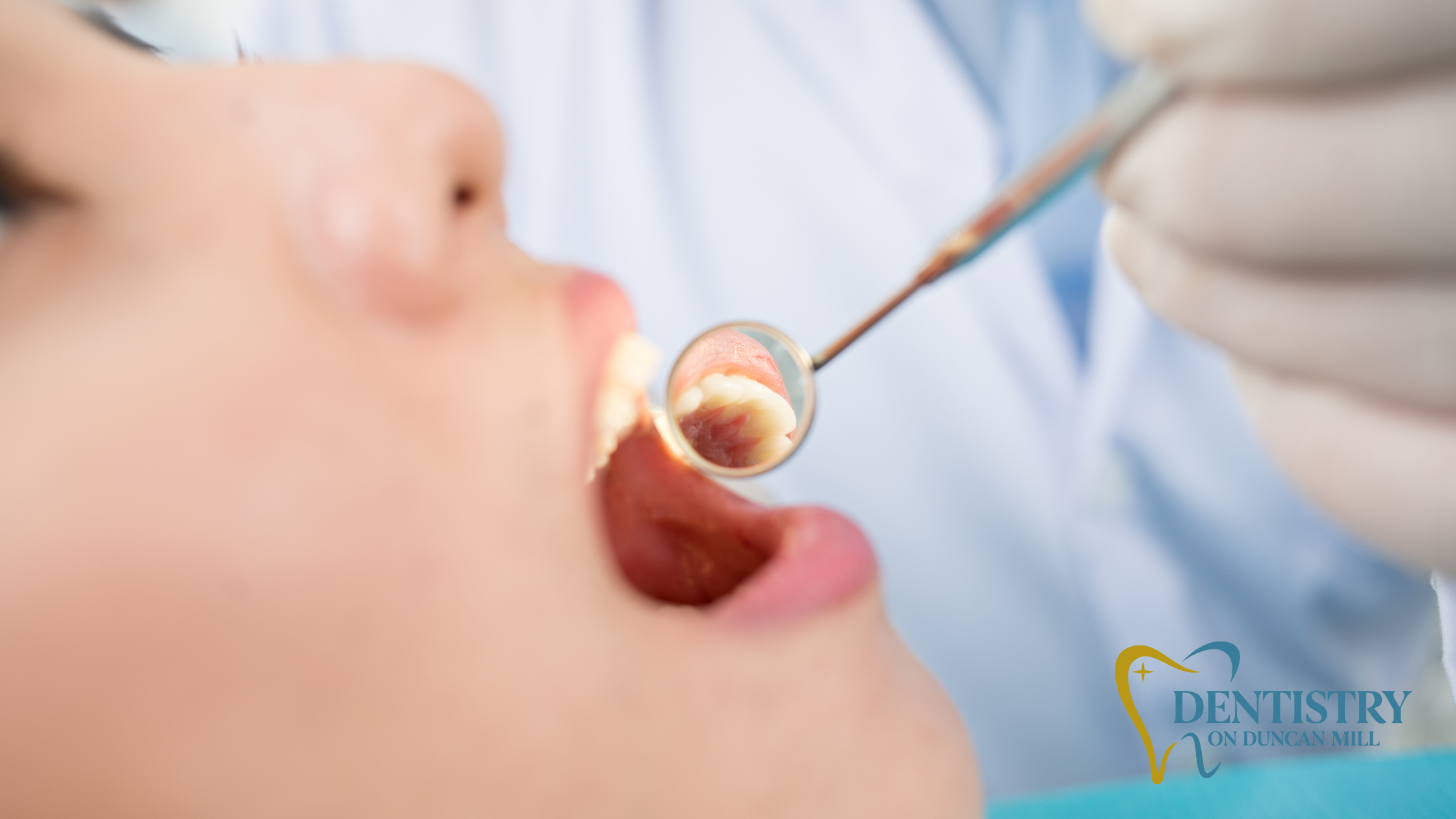
It’s fascinating how much information your dentist can gather about your diet by simply examining your mouth. From the health of your teeth and gums to the presence of decay or discoloration, these signs can reveal whether you’re indulging in sugary snacks, acidic beverages, or a balanced diet rich in nutrients.
Understanding what your dentist observes can help you make better nutritional choices and maintain excellent oral health. Discover what your mouth is telling your dentist about your eating habits and how these insights can impact your overall well-being.
Key Takeaways:
- Your dental health can reveal a lot about your sugar intake; high levels of cavities may indicate excessive consumption of sugary foods and drinks.
- Acidic foods can wear down tooth enamel, making it easier for your dentist to spot signs of acidic erosion during check-ups.
- Consistent gum health may suggest a balanced diet rich in nutrients, while inflammation or gum disease might point to dietary deficiencies or unhealthy eating habits.
The Connection Between Oral Health and Diet
A strong relationship exists between your oral health and diet. What you consume directly affects not only your teeth’s appearance but also your overall dental health.
Regularly indulging in sugary snacks and beverages can lead to tooth decay, while a balanced diet rich in vital nutrients can help maintain your teeth and gums. Your dentist can assess these dietary choices through the condition of your teeth and gums, offering insights into how your eating habits may be impacting your oral health.
Nutrients That Support Dental Health
Across the spectrum of dental health, certain nutrients play a significant role in supporting your teeth and gums. Nutrients like calcium, phosphorus, and vitamins A, C, and D are vital for maintaining strong enamel and healthy gum tissue.
By incorporating foods rich in these nutrients, you empower your mouth to fight against decay and promote healing, ultimately supporting your oral health in the long run.
Foods That Negatively Impact Your Teeth
Nutrients found in processed foods and sugary snacks can have detrimental effects on your dental health. Regular consumption of items high in sugar, acidity, or starch can lead to the erosion of enamel and contribute to plaque formation, increasing the risk of cavities.
Foods such as candy, soda, and white bread may seem harmless, but they can significantly harm your teeth if consumed excessively.
It’s important to be aware that certain foods can be particularly damaging to your oral health. Sugary treats like candy and cookies not only promote cavities but also contribute to an environment where harmful bacteria thrive.
Additionally, acidic beverages like cola and lemonades can erode tooth enamel, leading to sensitivity and decay. Even seemingly benign choices like white bread can break down into sugars, promoting plaque buildup.
By being mindful of these foods, you can make healthier choices that benefit your teeth and overall dental well-being.
Indicators of Diet-Related Issues
Even your dentist can identify signs of diet-related issues through a simple examination of your mouth. They can observe the condition of your teeth and gums, which often reflects your dietary habits.
For instance, frequent cavities, enamel erosion, or gum problems may indicate excessive sugar intake or a lack of imperative nutrients, guiding your dentist to provide tailored advice for improving your oral health.
Signs of Nutritional Deficiencies
On a closer look, your dentist may recognize signs of nutritional deficiencies that can affect your overall health. Issues like bleeding gums, dry mouth, or a swollen tongue can point to inadequate intake of vitamins, particularly vitamin C, vitamin D, or B vitamins.
By addressing these deficiencies, you can enhance not only your oral health but also your general wellbeing.
Effects of Sugary and Acidic Foods on Teeth
Sugary foods and acidic beverages can significantly impact your dental health. When you consume these items, acids produced by bacteria feed on the sugar, leading to tooth decay and erosion of enamel.
Over time, this can result in increased sensitivity, cavities, and even tooth loss. Reducing your intake of these damaging foods and maintaining a balanced diet can help preserve your smile.
Foods high in sugar, like candy and soda, can promote acid production in your mouth, which attacks tooth enamel. The prolonged exposure to these acids can lead to serious dental issues, including cavities and gum disease.
Likewise, acidic foods, such as citrus fruits and vinegar, can wear down enamel, making your teeth more vulnerable to decay. By limiting these harmful substances, you fortify your teeth against erosion and promote better oral health.
Role of Your Dentist in Dietary Assessment
Keep in mind that your dentist plays a significant role in assessing your dietary habits through observations made during routine appointments. Beyond checking for cavities and gum health, they can identify signs that may indicate poor nutrition or overconsumption of specific food groups.
This vital information helps them address your overall health and well-being while providing tailored advice to enhance your oral hygiene.
Observations During Routine Check-Ups
Observations made during your routine check-ups can reveal important indicators of your diet. Your dentist will look for signs of enamel erosion, gum recession, and tooth decay, which can suggest high sugar intake or acidic foods.
Additionally, they may notice stains from beverages like coffee or red wine, providing insights into your daily habits. These observations enable them to have a more comprehensive discussion about your dietary choices and their impact on your oral health.
Personalized Dietary Recommendations
After analyzing the condition of your teeth and gums, your dentist may offer personalized dietary recommendations. These tailored suggestions can help address any identified issues and promote better oral health.
The connection between your diet and oral health is significant, and your dentist can provide personalized dietary recommendations to support your specific needs. For instance, they might suggest reducing sugary snacks to minimize tooth decay or incorporating more calcium-rich foods to strengthen your teeth.
By addressing your unique dietary habits, you can improve your overall health and reduce the risk of dental issues while enjoying a balanced diet that strengthens your smile.
The Impact of Hydration on Oral Health
After discussing dietary habits, it’s necessary to consider how hydration levels affect your oral health. Adequate hydration plays a significant role in maintaining your mouth’s moisture, ensuring that saliva production is optimal.
This helps protect your teeth and gums from decay and disease. By drinking enough water, you create an environment that supports healthy oral flora and minimizes harmful bacteria.
Importance of Water Intake
About 60% of your body is water, reflecting its significance in overall health, including oral health. Drinking sufficient water not only aids digestion and nutrient absorption but also promotes saliva flow, which is your body’s natural defense against cavities and gum disease.
Staying hydrated keeps your mouth moist, making it easier to break down food and wash away debris.
Effects of Dehydration on the Mouth
Behind dehydration lies a direct impact on your oral cavity, leading to problems such as dry mouth, increased plaque buildup, and a higher risk of cavities. When your body lacks sufficient water, saliva production decreases, inhibiting your mouth’s ability to protect itself.
Effects of dehydration can be detrimental to your oral health. A lack of hydration leads to dry mouth, which can increase your risk of developing cavities and gum disease.
Without adequate saliva, your mouth becomes a breeding ground for harmful bacteria. Moreover, dry mouth can cause difficulty in swallowing and speaking, significantly affecting your quality of life.
Chronic dehydration could also result in bad breath and discomfort. Ensuring you drink enough water helps keep your mouth healthy and prevents these complications.
The Influence of Lifestyle Choices
Despite your efforts to maintain a healthy diet, your lifestyle choices can significantly impact your oral health. Factors such as smoking, alcohol consumption, and dietary habits affect not only the condition of your teeth and gums but also your overall well-being.
A thorough examination by your dentist can reveal insights into these behaviors, allowing you to make informed decisions about your health.
Smoking and Tobacco Use
Among the many lifestyle choices that can affect your oral health, smoking and tobacco use are some of the most detrimental. These habits contribute to gum disease, tooth decay, and oral cancer, and can severely stain your teeth.
Your dentist will likely express concern over the condition of your mouth if you are a tobacco user.
Alcohol Consumption and its Effects
By examining your mouth, your dentist can gain insights into your alcohol consumption. Excessive drinking can lead to dry mouth, an increase in tooth decay, and even gum disease, as alcohol affects your saliva production and overall oral hygiene.
Plus, frequent alcohol consumption poses several risks to your oral health that you should be aware of. It can result in dry mouth, impairing your body’s ability to wash away food particles and bacteria, leading to an increased risk of tooth decay and gum disease.
Additionally, alcohol can erode the enamel on your teeth, making them more susceptible to cavities and sensitivity. Remaining informed about the impact of your alcohol intake on your dental health is imperative for maintaining a healthy smile.
Preventive Measures for Better Oral Health
All aspects of your oral health can benefit from preventive measures. By making smart lifestyle choices and staying proactive with your dental care, you can reduce the risk of dental issues and improve your overall hygiene.
Simple actions like daily brushing, flossing, and dietary mindfulness can significantly enhance your oral health and longevity of your teeth.
Dietary Adjustments for Stronger Teeth
Any changes you make to your diet can directly impact the strength of your teeth. Incorporating foods rich in calcium and phosphorus, such as dairy products, leafy greens, and nuts, can help fortify your enamel.
Additionally, minimizing sugary and acidic foods will protect your mouth from harmful bacteria and tooth decay.
Importance of Regular Dental Visits
Preventive dental care through regular visits to your dentist is vital for maintaining optimal oral health. These visits allow for early detection of potential issues such as cavities and gum disease.
During your appointments, your dentist will provide professional cleanings and personalized advice tailored to your specific needs, ensuring your mouth remains healthy and strong. Consistent check-ups also enable your dentist to track any changes in your dental health, which is vital for establishing effective preventive strategies.
Regular dental visits are more than just a routine; they are an opportunity to safeguard your teeth and gums. By attending these appointments, you allow your dentist to closely monitor your oral health and catch any troubling signs early, which can save you from more serious treatments down the line.
Your commitment to seeing your dentist can prevent painful problems and ensure that your smile remains bright and healthy.
Conclusion
Summing up, your dentist can provide valuable insights into your diet simply by examining your mouth. They can identify signs of nutritional deficiencies, the impact of sugary foods, and even your hydration levels through the condition of your teeth and gums.
By understanding these indicators, you can make informed dietary choices to improve your overall oral health. So, your next dental visit may present an opportunity to reconsider your dietary habits for a healthier smile.
Your diet says a lot about your oral health—and your dentist can spot the signs. Visit Dentistry on Duncan Mill for expert dental care and personalized advice to keep your smile healthy and strong.