
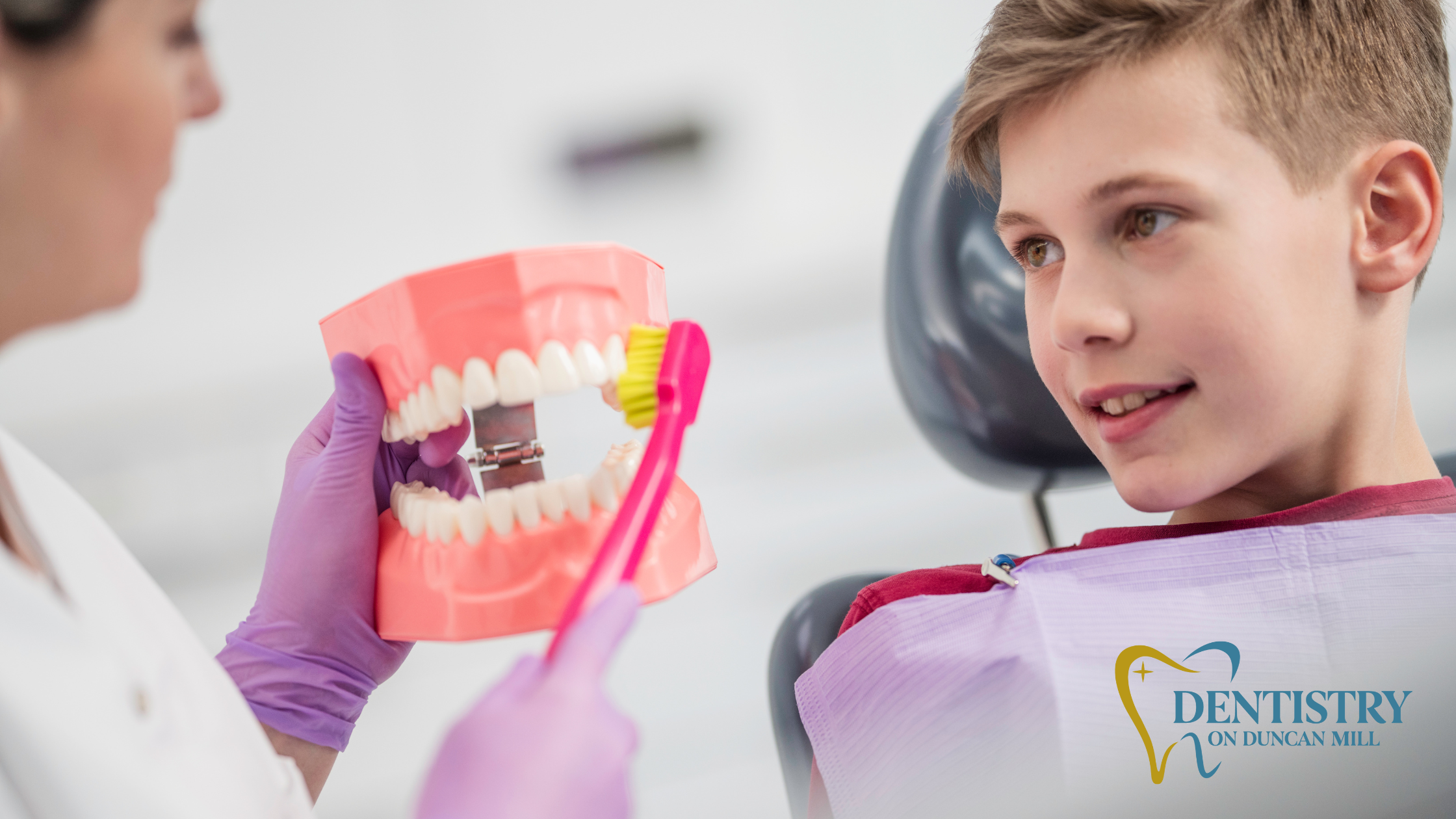
Many people underestimate the importance of dental hygienists in their oral care journey. Your visits to a dental hygienist are not just about cleaning your teeth; they play a vital role in educating you about maintaining optimal oral health.
By providing personalized recommendations and highlighting potential dental issues, they empower you to make informed decisions regarding your hygiene practices. Furthermore, a hygienist’s guidance can prevent serious health problems stemming from poor oral care, ensuring you preserve your smile for years to come.
Key Takeaways:
- Dental hygienists play a vital role in providing patients with important information about oral health practices, including proper brushing and flossing techniques.
- They help patients understand the importance of regular dental check-ups and cleanings, promoting overall oral hygiene and preventing dental issues.
- Hygienists can tailor education to meet the specific needs of individual patients, addressing unique concerns and encouraging proactive participation in their oral health care.
Overview of Dental Hygienists
Before delving into patient education, it’s necessary to understand what a dental hygienist is and the role they play in dental care. Dental hygienists are licensed professionals who focus on preventing and treating oral diseases while ensuring your oral health.
They work alongside dentists to promote proper hygiene and educate patients about best practices for maintaining their smiles.
Definition and Responsibilities
On a fundamental level, dental hygienists are responsible for cleaning teeth, taking X-rays, and conducting oral health assessments. Their role extends beyond clinical duties; they also educate you about oral hygiene techniques, nutritional advice, and the prevention of oral diseases.
Essentially, they act as your main resource for dental health information.
Importance in Dental Care
On a broader scale, dental hygienists play a vital role in your overall dental care. They bridge the gap between the dentist’s technical procedures and your daily oral hygiene habits, making it easier for you to maintain a healthy mouth.
Hygienists are integral to ensuring preventive care in dentistry, allowing you to recognize potential issues before they escalate. They help in early identification of oral diseases, leading to early intervention, which can significantly improve your dental health outcomes.
Their guidance empowers you to adopt effective oral hygiene practices, contributing to better overall health. Ultimately, a hygienist’s role enhances your experience in the dental office and supports you on your journey to achieving a radiant smile.
Patient Education Techniques
One of the primary responsibilities of a dental hygienist is to employ effective patient education techniques that enhance your oral health. These methods involve personalized advice and actionable strategies, helping you understand the importance of maintaining healthy dental habits.
By targeting specific needs and concerns, dental hygienists can better prepare you for a successful oral care journey.
Individualized Instruction
Between one-on-one patient interactions, your dental hygienist can provide tailored instruction that caters to your unique dental health needs. This might include personalized guidance on brushing techniques, flossing methods, and dietary choices that affect your oral health.
Group Education Sessions
By participating in group education sessions, you gain the opportunity to learn from a dental hygienist alongside peers who may share similar concerns. This environment fosters a sense of community while allowing your hygienist to address common oral health issues comprehensively.
Further, group education sessions not only enable you to learn effective oral hygiene techniques, but they also promote increased awareness of dental health issues. Through interactive discussions, you can ask questions, share experiences, and gain insights from others.
These sessions often cover important topics such as preventing cavities and gum disease, brushing techniques, and the impact of nutrition on oral health. Engaging in these settings can positively influence your commitment to maintaining your dental hygiene and inspire you to take action towards better oral health practices.
Common Oral Health Topics
After learning about the various roles that a dental hygienist plays, you may find it important to focus on some common oral health topics they often address. These topics not only influence your immediate dental care but also shape your overall health in the long term.
Being informed about these issues enables you to take charge of your oral health and encourages you to engage in more meaningful conversations with your dental care provider.
Importance of Oral Hygiene
Hygiene practices play a fundamental role in maintaining your oral health. Regular brushing and flossing prevent the build-up of plaque, which can lead to cavities and gum disease.
Your dental hygienist is there to guide you on proper techniques, products to use, and the ideal frequency for optimal results. By prioritizing your oral hygiene, you not only protect your teeth and gums but also contribute positively to your overall well-being.
Nutritional Impact on Oral Health
Between your nutritional choices and oral health, a clear connection exists that you should not overlook. The foods you consume can either enhance or harm your dental health, impacting everything from tooth decay to gum disease.
Your dental hygienist can provide insights into better dietary practices that support your oral health, enabling you to make informed decisions when it comes to your meals.
Even minor adjustments in your diet can significantly affect your dental health. Consuming foods high in sugars can lead to increased cavity risk, while a diet rich in fruits and vegetables can promote stronger teeth and healthier gums.
Calcium and vitamin D are vital for strengthening enamel and supporting jaw bone health. Furthermore, staying hydrated can help maintain saliva production, crucial for neutralizing acids and reducing decay.
By understanding the interplay between nutrition and oral health, you empower yourself to make choices that support your dental well-being.
Role in Preventive Care
Unlike many dental professionals, dental hygienists play a vital role in preventive care. They not only perform cleanings and exams but also educate you on the importance of maintaining good oral hygiene.
By providing tailored advice, they empower you to minimize your risk of dental issues, ensuring your mouth stays healthy and functional for years to come.
Early Detection of Oral Issues
Care during routine visits is vital for spotting potential oral health problems early. Dental hygienists are trained to identify signs of issues such as gum disease, cavities, or early signs of oral cancer.
With their keen observations, they can recommend timely interventions that can help prevent more severe complications down the line.
Guiding Patients on Home Care
Issues with daily oral care often stem from a lack of guidance. Dental hygienists provide personalized strategies for effective home care, ensuring that you understand the best brushing and flossing techniques.
By addressing your specific needs, they help you adopt habits that can significantly reduce plaque buildup and lower the risk of cavities and gum disease.
The dental hygienist’s guidance on home care is instrumental in fostering a strong foundation for your oral health. They emphasize personalized techniques tailored to your individual needs, ensuring that you understand the correct way to brush and floss.
Their insights into nutrition and its impact on oral health can also lead to better choices that diminish risks. This supportive approach not only prevents dental problems but also promotes a lifestyle that prioritizes your oral wellness.
By actively engaging in these care techniques, you can see profound improvements in your dental health over time.
Collaboration with Dentists
Once again, the partnership between dental hygienists and dentists is pivotal in delivering comprehensive patient care. By working together, you can effectively combine your expertise and insights to ensure that each patient receives individualized treatment plans tailored to their specific needs.
This collaboration not only enhances the overall quality of care but also promotes a cohesive approach to patient education, allowing you to address any concerns that may arise during appointments.
Joint Patient Management
At the heart of successful collaboration is joint patient management, where you and the dentist coordinate to share vital patient information. This teamwork allows for a standardized approach to treatment and education, enabling you to provide guidance while the dentist focuses on more complex procedures.
Together, you can reinforce important oral health messages, ensuring patients fully understand their treatment options and responsibility in maintaining their dental health.
Continuous Education and Training
An effective dental hygienist is committed to continuous education and training. You should actively seek out workshops, conferences, and courses to stay up to date with the latest advancements in oral health, techniques, and technologies.
With ongoing education, you can confidently address various oral hygiene concerns, share contemporary practices with your patients, and elevate their understanding of dental care.
Also, consistent participation in further education enhances your capability to implement innovative practices in your daily routine. Staying informed about emerging research and techniques not only benefits your professional growth but also significantly improves patient outcomes.
Practicing evidence-based dentistry leads to better health conditions, and it empowers you to educate patients on preventive measures, optimizing their oral health journey. Continuous knowledge acquisition is paramount, as it equips you with the skills to tackle changing trends in dental care and meet the evolving needs of your patients effectively.
Advancements in Patient Education
Your understanding of dental hygiene is significantly enhanced by recent advancements in patient education. With the integration of innovative tools and resources, you can access a wealth of information that empowers you to make informed decisions about your dental care.
This ongoing evolution not only improves communication between you and your dental hygienist but also fosters a proactive approach to maintaining your oral health. As dental practices continue to adopt cutting-edge technologies, you will find yourself better equipped to understand and implement effective dental hygiene routines.
Technology Use in Guidance
Education on oral health has evolved with the adoption of technology in dental practices. Interactive tools, such as apps and virtual consultations, allow you to visualize your oral health status and receive personalized guidance.
These platforms enable you to track your brushing habits and receive timely reminders, making it easier for you to adhere to proper dental hygiene practices. As a result, you can engage more actively in your oral care routine, leading to improved outcomes.
Incorporating Evidence-Based Practices
Incorporating evidence-based practices into your dental care ensures that you receive the most effective recommendations tailored to your needs. By relying on scientifically-backed information, your dental hygienist can guide you through the latest techniques and products to enhance oral health.
Even as dental hygiene evolves, the adoption of evidence-based practices remains a top priority. This approach aids your dental hygienist in delivering personalized advice driven by the latest research and clinical findings.
By emphasizing proven techniques and products, you can trust that you are following the best dental care protocols. This ensures effectiveness in preventing oral diseases and promotes long-term health benefits, ultimately leading to improved overall wellness.
Engaging in these practices not only empowers you but helps you build a solid foundation for sustaining excellent oral hygiene throughout your life.
Summing up
Conclusively, as a dental hygienist, you play a fundamental role in enhancing patient education by providing valuable insights into oral health practices. Your ability to inform patients about proper hygiene techniques, preventive care, and the impact of lifestyle choices on dental health empowers them to take control of their oral hygiene routine.
By fostering a supportive and informative environment, you not only improve patient outcomes but also encourage a proactive approach to dental care, ensuring that your patients achieve and maintain optimal oral health.
Take charge of your oral health by partnering with a dental team that prioritizes patient education and preventive care. Visit Dentistry on Duncan Mill to experience personalized guidance and support from dedicated dental hygienists committed to helping you maintain a healthy smile.