
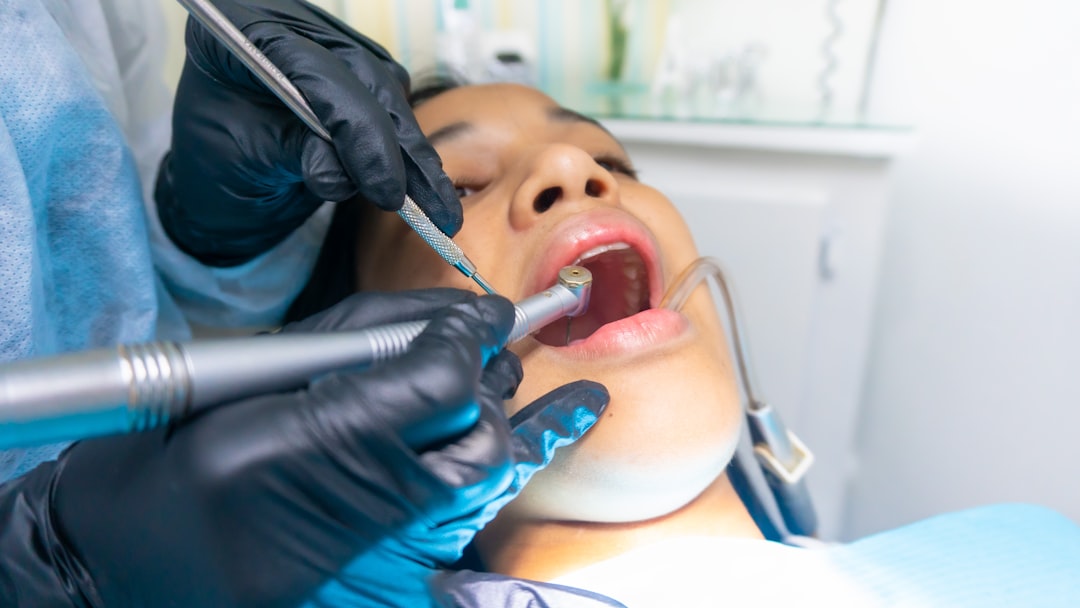
Invisalign and traditional braces are two popular options for straightening teeth and achieving a beautiful smile. Invisalign is a modern orthodontic treatment that uses a series of clear aligners to gradually move teeth into their desired position. Traditional braces, on the other hand, consist of metal brackets and wires that are attached to the teeth and adjusted periodically to straighten them.
Both Invisalign and traditional braces work by applying gentle pressure to the teeth, which gradually moves them into the desired position. However, they differ in terms of appearance, comfort, duration of treatment, cost, maintenance, effectiveness, flexibility, and lifestyle considerations. Understanding these differences can help you make an informed decision about which option is best for you.
Key Takeaways
- Invisalign and traditional braces are both orthodontic treatment options for correcting teeth alignment.
- Invisalign is less noticeable than traditional braces, but both can affect your appearance.
- Invisalign is generally more comfortable than traditional braces, but both may cause discomfort.
- Invisalign treatment typically takes less time than traditional braces, but the duration varies for each patient.
- Invisalign is generally more expensive than traditional braces, but the cost varies depending on the complexity of the case.
Appearance: How Invisalign and Traditional Braces Affect Your Look
One of the main concerns for many people considering orthodontic treatment is how it will affect their appearance. Invisalign aligners are made from clear plastic material, making them virtually invisible when worn. This makes them a popular choice for those who want a more discreet option for straightening their teeth. On the other hand, traditional braces are more noticeable due to the metal brackets and wires.
In terms of how each option affects your smile and facial features, Invisalign aligners are designed to fit snugly over your teeth, allowing your natural smile to shine through. They do not alter the shape or size of your teeth. Traditional braces, on the other hand, can make your teeth appear larger due to the metal brackets and wires. Additionally, traditional braces can cause some discomfort or irritation to the lips and cheeks due to their protrusion.
Comfort: Which Treatment Option is More Comfortable?
Comfort is another important factor to consider when choosing between Invisalign and traditional braces. Invisalign aligners are made from smooth plastic material, which reduces the likelihood of irritation or discomfort. They are also removable, allowing you to take them out when eating or brushing your teeth. This can make eating and oral hygiene more comfortable compared to traditional braces.
Traditional braces, on the other hand, can cause some discomfort or soreness, especially after adjustments. The metal brackets and wires can rub against the lips and cheeks, causing irritation. However, advancements in orthodontic technology have led to the development of smaller and more comfortable brackets and wires. Additionally, there are products available, such as wax or silicone covers, that can be placed over the brackets to reduce irritation.
Duration of Treatment: How Long Does Invisalign Take vs. Traditional Braces?
The length of treatment is an important consideration when choosing between Invisalign and traditional braces. In general, Invisalign treatment tends to be faster than traditional braces. The average treatment time for Invisalign is around 12 to 18 months, depending on the complexity of the case. Traditional braces, on the other hand, can take anywhere from 18 months to 3 years or more.
The duration of treatment for both options can be influenced by various factors, such as the severity of the case and the patient’s compliance with wearing aligners or attending regular adjustment appointments. In some cases, traditional braces may be recommended for more complex orthodontic issues that cannot be effectively treated with Invisalign alone.
Cost: Comparing the Price of Invisalign and Traditional Braces
Cost is often a significant factor when considering orthodontic treatment. In general, Invisalign tends to be more expensive than traditional braces. The cost of Invisalign can vary depending on factors such as the complexity of the case and the location of the dental practice. On average, Invisalign treatment can range from $3,000 to $8,000.
Traditional braces are generally more affordable, with an average cost ranging from $2,500 to $6,000. However, it is important to note that the cost of traditional braces can also vary depending on factors such as the type of braces used (metal, ceramic, or lingual) and any additional treatments that may be required.
Insurance coverage can also play a role in the cost of orthodontic treatment. Some dental insurance plans may cover a portion of the cost of braces or Invisalign. It is important to check with your insurance provider to understand what is covered and what out-of-pocket expenses you may incur.
Maintenance: Understanding How to Care for Invisalign and Traditional Braces

Proper maintenance is essential for both Invisalign and traditional braces to ensure the success of your orthodontic treatment. Invisalign aligners are removable, which makes them easier to clean compared to traditional braces. You can simply remove the aligners when eating or brushing your teeth and clean them with a soft toothbrush and mild soap or denture cleaner.
Traditional braces require more diligent oral hygiene practices. The brackets and wires can trap food particles, increasing the risk of plaque buildup and tooth decay. It is important to brush your teeth after every meal and floss daily to remove any food debris. Specialized tools, such as interdental brushes or floss threaders, may be needed to clean between the brackets and wires.
Regular dental check-ups are also important during orthodontic treatment to monitor progress and address any issues that may arise. Your dentist or orthodontist will provide specific instructions on how to care for your braces or Invisalign aligners and may recommend additional products or techniques to maintain good oral hygiene.
Effectiveness: Which Treatment Option is More Effective?
The effectiveness of orthodontic treatment depends on various factors, including the severity of the case and the patient’s compliance with wearing aligners or attending regular adjustment appointments. In general, both Invisalign and traditional braces can effectively straighten teeth and correct bite issues.
Invisalign aligners are designed using advanced computer technology to gradually move the teeth into their desired position. They are custom-made for each patient and are replaced every few weeks to continue the progression of treatment. Traditional braces use brackets and wires to apply pressure to the teeth, which is adjusted periodically to achieve the desired results.
For more complex orthodontic cases, traditional braces may be recommended as they provide more control over tooth movement. In some cases, a combination of Invisalign and traditional braces may be used to achieve the best results.
Flexibility: Which Treatment Option Offers More Flexibility?
Flexibility is another factor to consider when choosing between Invisalign and traditional braces. Invisalign aligners are removable, allowing you to take them out when eating or brushing your teeth. This means you can continue to enjoy your favorite foods without any restrictions. It also makes oral hygiene easier as you can brush and floss your teeth as usual.
Traditional braces, on the other hand, are fixed appliances that cannot be removed until the treatment is complete. This means you will need to avoid certain foods that can damage the brackets or wires, such as hard or sticky foods. Oral hygiene can also be more challenging with traditional braces, as you will need to navigate around the brackets and wires when brushing and flossing.
Lifestyle Considerations: How Invisalign and Traditional Braces Affect Your Daily Life
When considering orthodontic treatment, it is important to think about how it will impact your daily activities and lifestyle. Invisalign aligners offer more flexibility in terms of eating and oral hygiene, making them a popular choice for those with active lifestyles or who frequently attend social events. The clear aligners are also less noticeable, which can boost confidence in social situations.
Traditional braces, on the other hand, may require some adjustments to your daily routine. You will need to be mindful of the foods you eat and take extra care when brushing and flossing. However, advancements in orthodontic technology have made traditional braces more comfortable and less noticeable than in the past.
If you participate in sports or play musical instruments, it is important to consider how Invisalign or traditional braces may affect these activities. Invisalign aligners can be removed during sports or playing instruments, providing more flexibility. Traditional braces may require the use of a mouthguard during sports to protect the brackets and wires.
Making the Right Choice Between Invisalign and Traditional Braces
Invisalign and traditional braces are both effective options for straightening teeth and achieving a beautiful smile. When making a decision between the two, it is important to consider factors such as appearance, comfort, duration of treatment, cost, maintenance, effectiveness, flexibility, and lifestyle considerations.
Invisalign aligners offer a more discreet option with minimal impact on appearance. They are also more comfortable and offer more flexibility in terms of eating and oral hygiene. However, they tend to be more expensive and may not be suitable for more complex orthodontic cases.
Traditional braces are generally more affordable and can effectively treat a wide range of orthodontic issues. They may require some adjustments to daily routines and can be more noticeable. However, advancements in orthodontic technology have made traditional braces more comfortable and less noticeable than in the past.
Ultimately, the choice between Invisalign and traditional braces will depend on your individual needs and preferences. Consulting with a dentist or orthodontist can help you make an informed decision based on your specific case.
If you’re considering orthodontic treatment, you may also be interested in exploring other cosmetic dentistry options to enhance your smile. Dentistry on Duncan Mill offers a range of services, including veneers, teeth whitening, and dental implants. Veneers can help improve the appearance of chipped or discolored teeth, while teeth whitening can brighten your smile for a more youthful look. Dental implants are a long-lasting solution for missing teeth, providing both aesthetic and functional benefits. To learn more about these cosmetic dentistry options, check out Dentistry on Duncan Mill’s related articles on veneers, teeth whitening, and dental implants.