
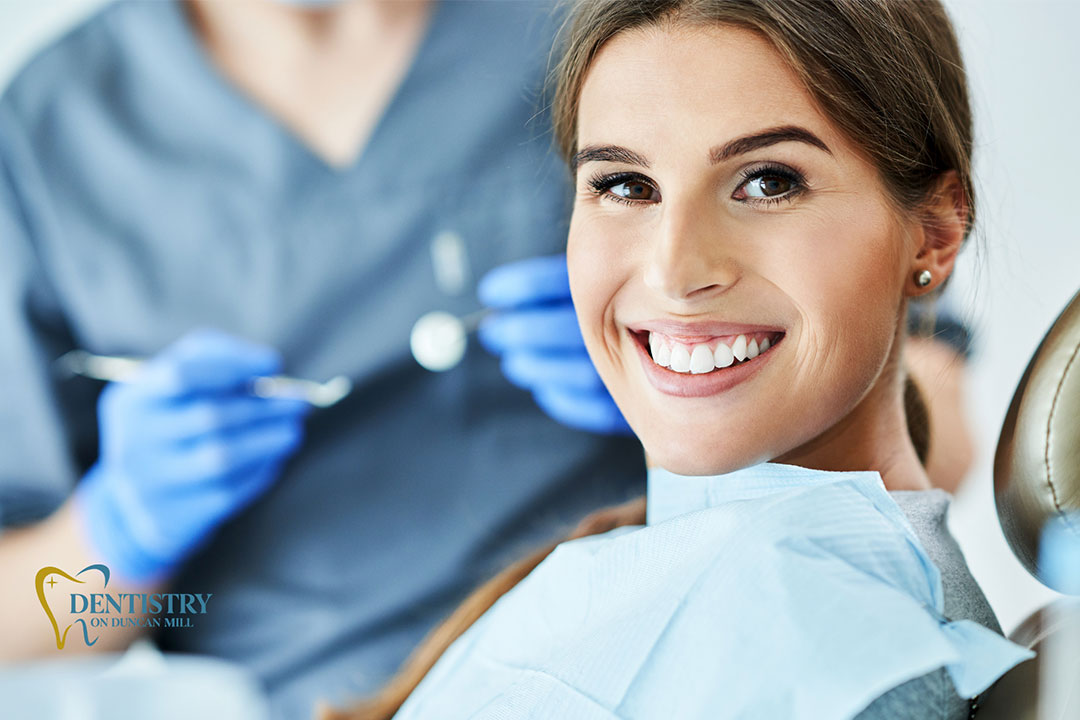
It’s crucial to recognize how your smile influences not just your appearance but also your mental well-being. Cosmetic dentistry can lead to profound changes in your self-esteem and confidence, helping you feel more comfortable in social situations. This blog post will explore the various ways cosmetic dental procedures can improve your mental health, from enhancing your smile to boosting your overall quality of life. Understanding these impacts allows you to make informed decisions about your dental health and its potential effects on your emotional well-being.
Understanding Cosmetic Dentistry
To appreciate the significant role cosmetic dentistry plays in enhancing both physical appearance and mental health, it’s necessary to first understand what it entails. Cosmetic dentistry primarily focuses on improving the aesthetics of your smile and overall oral health, often leveraging advanced techniques and technologies tailored to your specific needs.
Definition and Overview
Definition: Cosmetic dentistry refers to dental practices aimed at improving the visual appeal of your teeth, gums, and bite. It encompasses a variety of procedures designed to enhance your smile and boost your confidence.
Common Procedures
Definition: Common procedures in cosmetic dentistry include teeth whitening, veneers, bonding, crowns, and orthodontics. We tailor each procedure to address specific aesthetic concerns and help you achieve the smile you desire.
Overview: Cosmetic procedures aim to rectify various imperfections in your dental appearance. Teeth whitening brightens your smile by removing stains, while veneers provide a natural-looking solution for chipped or discoloured teeth. People often use bonding to repair small gaps or imperfections, and crowns to restore damaged teeth. Orthodontic treatments like braces or clear aligners realign your bite and enhance overall beauty. Understanding these procedures can empower you to make informed decisions regarding your dental health and aesthetic goals.
The Psychological Benefits of Cosmetic Dentistry
You may be surprised to discover just how transformative cosmetic dentistry can be for your mental health. This branch of dentistry not only focuses on enhancing the aesthetics of your smile, but it also plays a significant role in boosting your overall psychological well-being. From increased self-esteem to improved social interactions and body image, the advantages are compelling.
Increased Self-Esteem
One of the most significant benefits of cosmetic dentistry is the boost in self-esteem it can provide. A beautiful smile often leads to feelings of confidence and pride in your appearance, allowing you to feel more comfortable in your own skin.
Enhanced Social Interactions
An improved smile often translates into more positive social experiences. When you feel satisfied about your teeth, you’re likely to be more open and engaged with others, enhancing your ability to forge connections and friendships.
A confident smile can be a powerful social catalyst. You may find that as your self-esteem rises, so does your willingness to participate in conversations and social activities. Interacting with others becomes more enjoyable and less stressful, which can lead to more fulfilling relationships and networking opportunities.
Positive Body Image
On the flip side, cosmetic dentistry can significantly contribute to a positive body image. When you are satisfied with your smile, you may start to perceive your entire self more favourably, fostering a healthier relationship with your body.
How you feel about your body can influence your interactions with others, and cosmetic dentistry can help you cultivate a more positive self-image. When you’re proud of your smile, you may become more proactive about your overall appearance and health, leading to lifestyle changes that further enhance your body image and mental well-being.
Potential Emotional Risks
Now, while cosmetic dentistry can provide a boost to your smile, it is vital to be aware of potential emotional risks that may accompany these procedures. The influence of aesthetic improvements on your mental health can be profound, but it can also lead to unintended psychological effects. For a deeper understanding of these issues, consider exploring the psychological effects of aesthetic dental treatment.
Unrealistic Expectations
An important emotional risk arises when you have unrealistic expectations about what cosmetic dentistry can achieve. While a new smile can enhance your appearance, it is crucial to recognize that it may not transform your entire life or resolve underlying issues. Setting realistic goals is vital to ensuring that you feel satisfied with the results.
Dependence on External Validation
The pursuit of cosmetic dental procedures may lead you to become reliant on external validation for your self-worth. You might find yourself needing affirmation from others to feel positive about your appearance. This dependence can lead to a cycle of seeking approval that overshadows your self-acceptance.
Another risk associated with dependence on external validation is the potential for diminished self-esteem when approval is not forthcoming. You may find yourself in a constant search for compliments and validation, which can become exhausting and counterproductive. This need for external affirmation can create a precarious emotional balance where your sense of self-worth fluctuates based on others’ opinions rather than your intrinsic value.
The Role of Dental Professionals
Once again, it’s crucial to recognize the profound influence dental professionals have on your journey towards improved mental health through cosmetic dentistry. They not only address your dental aesthetics but also play a significant part in your overall well-being. According to research, smiling and feeling confident about your dental appearance can lead to improved mental health outcomes, as highlighted in the article Dental Aesthetics and Its Impact on Psycho-Social Well.
Importance of Counselling
To ensure you achieve the best possible results from cosmetic dentistry, counselling plays an important role. It helps you set realistic expectations and prepares you for the changes ahead, fostering a deeper understanding of how your new smile can affect your emotional state.
Ethical Considerations
For dental professionals, ethical considerations are paramount in the practice of cosmetic dentistry. It is important that they balance your desires and mental health needs with appropriate clinical guidance and realistic outcomes.
Dental professionals must navigate the complexities of cosmetic procedures with care, ensuring that you are informed and comfortable throughout the process. This includes offering guidance on potential risks, setting appropriate expectations, and considering your psychological readiness for the changes ahead. Being attentive to your emotional well-being is a critical part of their role, reinforcing the importance of a collaborative relationship between you and your dental provider.
Conclusion
The impact of cosmetic dentistry on mental health is profound and multifaceted, as you can experience enhanced self-esteem and greater confidence through improved oral aesthetics. By addressing your dental concerns, you not only boost your appearance but also positively influence your overall mental well-being. Investing in cosmetic dentistry can transform your smile, allowing you to face the world with renewed vigour and a more positive self-image. Ultimately, the benefits of a beautiful smile extend beyond the surface, shaping your emotional health and social interactions in meaningful ways.