
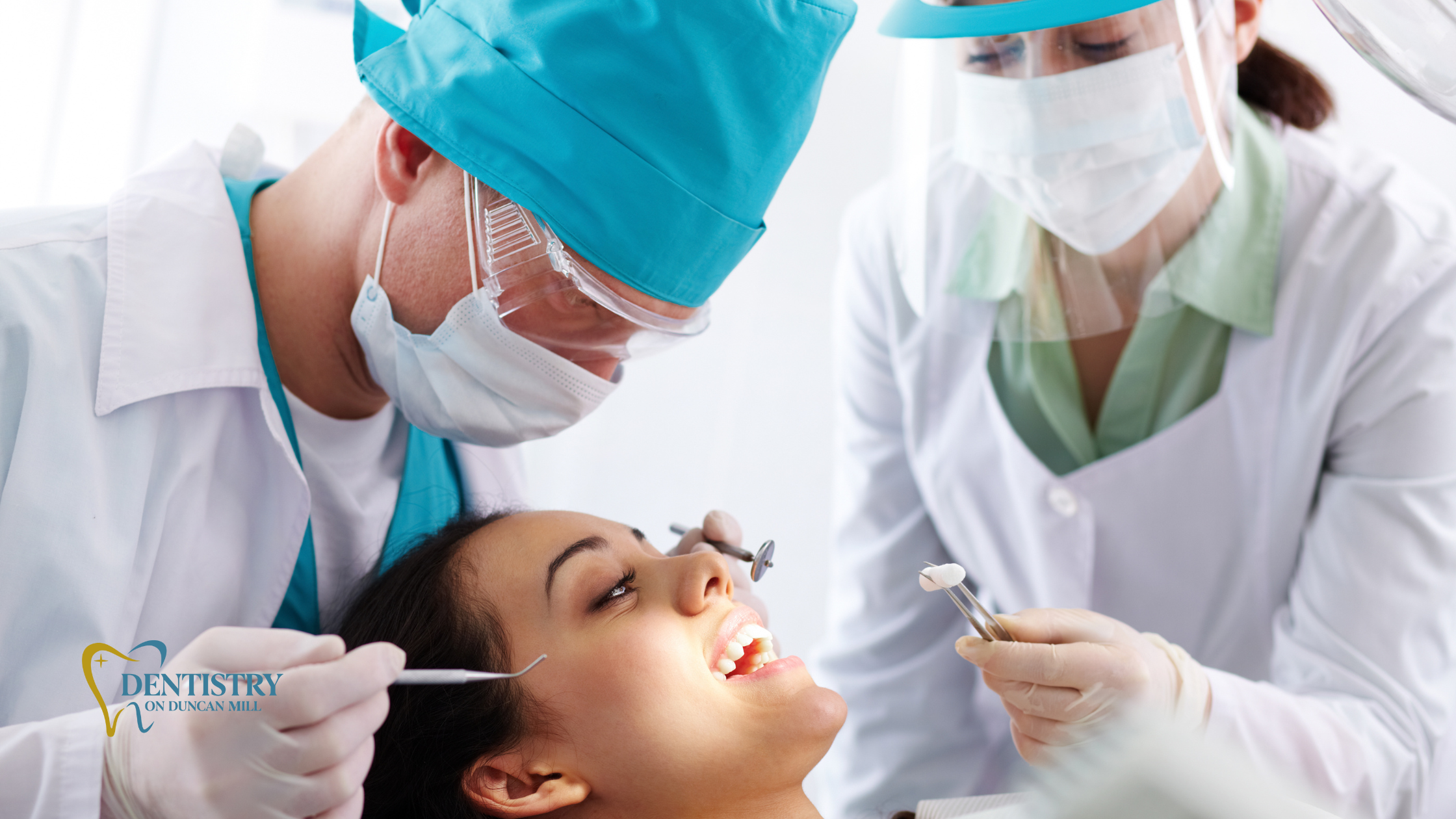
It’s vital for you to understand the importance of oral cancer screenings in safeguarding your health. These screenings can identify early signs of oral cancer, allowing for timely intervention and potentially better outcomes. By being proactive about your oral health, you increase your chances of catching abnormalities before they advance. In this post, you will discover the key reasons why regular oral cancer screenings should be a part of your healthcare routine and how they can make a significant difference in early detection and successful treatment.
Key Takeaways:
- Early Identification: Regular oral cancer screenings enable the detection of precancerous lesions and early-stage cancers, significantly improving treatment outcomes.
- Risk Factors: Understanding and discussing risk factors such as tobacco use, alcohol consumption, and HPV can help individuals recognize their likelihood of developing oral cancer.
- Prevention and Awareness: Oral screenings promote prevention strategies and encourage awareness, empowering individuals to take proactive steps for oral health.
Understanding Oral Cancer
A comprehensive understanding of oral cancer is vital for effective prevention and treatment. This form of cancer can affect various parts of your mouth and surrounding areas, including gums, tongue, and the roof or floor of the mouth. Catching it early significantly improves treatment outcomes and survival rates.
Types of Oral Cancer
Oral cancer encompasses several types, each varying in severity and treatment. Here’s a breakdown of some common forms:
| Type | Description |
| Squamous Cell Carcinoma | Most prevalent form, occurring in the thin cells lining the mouth. |
| Lymphoma | Affects the lymphatic tissue in the mouth. |
| Salivary Gland Cancer | Originates in the salivary glands producing saliva. |
| Floor of the Mouth Cancer | Affects the tissue underneath the tongue. |
| Soft Tissue Sarcoma | Involves cancer of the connective tissues. |
- Understanding the type that may affect you can shape your treatment options.
- After identifying the type, personalized screening and monitoring strategies can be implemented.
Risk Factors and Causes
Your likelihood of developing oral cancer can be influenced by various risk factors and lifestyle choices. (Assess your risk by discussing with your healthcare provider.)
- Use of tobacco products increases risk significantly.
- Heavy alcohol consumption is linked to higher incidences.
- HPV infection has been identified as a crucial contributor.
- A diet low in fruits and vegetables can elevate risk.
- Recognizing these factors early leads to proactive health management.
Cancer prevention strategies should focus on mitigating these risk factors. Factors such as continuous tobacco use and heavy alcohol intake are major contributors and should be addressed early. (Your choices about tobacco and alcohol can significantly influence your risk of developing oral cancer.)
- Discussing your lifestyle choices with a physician can provide better clarity.
- Recognizing the importance of regular screenings can help stay one step ahead.
But
awareness alone is not enough; you must take proactive steps to monitor your oral health. Adopting a healthy lifestyle and attending regular screenings can lead to early detection and improved outcomes for oral cancer.
Importance of Early Detection
Some individuals may underestimate the significance of early detection in oral cancer, but it plays a pivotal role in improving outcomes. Detecting oral cancer early can lead to more effective treatments and significantly increase your chances of survival. To understand how to detect mouth cancer early, consider regular screenings and self-examinations, as they can catch issues before they develop into more serious conditions.
Survival Rates and Prognosis
With early detection, the survival rates for oral cancer can be substantially improved. Most studies indicate that patients diagnosed at early stages have a much better prognosis compared to those diagnosed later. Thus, recognizing warning signs and seeking immediate care can significantly enhance your likelihood of a favorable outcome.
Impact on Treatment Options
Options for treatment can vary significantly depending on the stage at which the cancer is detected. When oral cancer is caught early, you may have access to a broader range of treatment choices, including less invasive methods that can lead to quicker recovery and fewer side effects.
Further, early detection allows for personalized treatment plans tailored to your specific needs, which may include surgery, radiation, or targeted therapies. These options not only aim for the best outcome but also focus on preserving your quality of life during treatment, reinforcing the importance of regular screenings and self-awareness for early signs of oral cancer.
Oral Cancer Screening Procedures
Now, oral cancer screenings are vital in identifying potentially malignant conditions before they develop further. These simple procedures allow your dentist to examine your mouth for any unusual signs or symptoms. To learn more about the importance of Early Detection Through Oral Cancer Screening, visit this link.
Visual Examination Techniques
Examination of your oral cavity involves a thorough visual inspection by your dentist, who looks for abnormal lesions, discoloration, or any irregularities in your mouth, gums, and throat. This step is critical in spotting early warning signs of oral cancer.
Diagnostic Tests and Tools
Visual and tactile assessment form the basis of diagnostic tests and tools used in oral cancer screenings. Your dentist may employ advanced technologies such as VELscope or brush biopsies to detect cancerous changes in your oral tissue.
Screening techniques include the use of specialized tools that can help identify abnormal cellular changes, even those that may be invisible to the naked eye. Techniques like imaging studies or lab tests may also be utilized for further analysis, providing a more comprehensive evaluation of your oral health and ensuring timely intervention when necessary.
Who Should Get Screened?
To maintain your oral health and catch any potential issues early, it is important for everyone to consider regular oral cancer screenings. This includes routine visits to your dentist, particularly if you have risk factors such as tobacco use or excessive alcohol consumption. The earlier you detect any signs of oral cancer, the better your chances of successful treatment are.
High-Risk Populations
With certain lifestyle choices and genetic predispositions, some individuals are at a higher risk of developing oral cancer. Tobacco users, heavy drinkers, and those with a history of HPV infection fall into this category. (Taking proactive steps to mitigate these risks is paramount for your health.)
Recommended Screening Schedules
Before scheduling your screening, it’s important to understand how often you should get checked based on your individual risk factors. If you are in a high-risk group, your dentist may recommend more frequent screenings compared to those with lower risk.
Schedules for oral cancer screenings typically vary according to personal risk factors. Generally, it’s advisable to have an oral cancer screening during your routine dental check-ups, which should occur at least once a year. If you fall into a high-risk category, consider scheduling screenings every six months or as advised by your dentist. Regular check-ups ensure any abnormalities are swiftly identified, allowing for timely intervention.
Benefits of Regular Screenings
Your commitment to regular oral cancer screenings can significantly improve your health outcomes. These routine check-ups enable dental professionals to identify potential signs of oral cancer early, allowing for timely intervention. By prioritizing screenings, you are taking an necessary step towards maximizing your overall oral health and potentially prolonging your life. The proactive nature of regular screenings not only addresses oral concerns but also fosters a deeper connection with your healthcare provider.
Early Intervention and Better Outcomes
To achieve the best outcomes, early detection of oral cancer is vital. The earlier signs are recognized, the more treatment options are available, increasing your chances of successful recovery. With prompt action, the severity of the illness can be minimized, often making treatment less invasive and more effective. Engaging in regular screenings can be a life-altering decision for you, as it provides the best opportunity for a favorable prognosis.
Peace of Mind for Patients
To safeguard your health and well-being, regular screenings offer significant peace of mind. Knowing that you are taking proactive measures to detect any potential concerns can greatly reduce anxiety. You can confidently approach your health, being aware that you are being monitored for signs of oral cancer. (Regular communication with your healthcare provider about screenings can help alleviate concerns.)
Hence, investing in routine oral cancer screenings is an informed choice for ensuring peace of mind. Consistent check-ups allow you to stay on top of your oral health and mitigate any worries regarding undetected issues. By prioritizing your health in this way, you cultivate a sense of security and confidence in your well-being. (Ultimately, the decision to prioritize regular screenings reflects your commitment to a healthier future.)
Overcoming Barriers to Screening
Many individuals face significant barriers to oral cancer screenings, from misconceptions about the necessity of these exams to fears about potential discomfort. Addressing these challenges is vital for encouraging regular screening habits. By fostering a supportive environment that promotes awareness and education about oral cancer, you can actively improve screening uptake and help others understand the importance of early detection.
Addressing Patient Hesitancy
Across various demographics, patient hesitancy often emerges due to a lack of knowledge or fear of diagnosis. Providing clear information about the low-risk nature of the screening process can alleviate concerns. (Making an informed choice about undergoing regular screening is vital for your health.)
Access and Affordability
Before committing to an oral cancer screening, it’s important to consider the accessibility and affordability of the services available to you. Barriers such as location, insurance coverage, and the perceived costs can deter individuals from seeking necessary screenings.
Screening services may vary widely in accessibility depending on your location and insurance plans. Many dental offices provide screenings as part of regular check-ups or offer reduced-cost options for those without insurance. It’s vital to actively seek out local resources and discuss financial concerns with your dental care provider to explore all available options and ensure that you prioritize your oral health without breaking the bank.
Summing up
To wrap up, understanding the importance of early detection through oral cancer screenings can significantly impact your health and well-being. By undergoing regular screenings, you increase your chances of identifying potential issues before they escalate, leading to more effective treatment options. Make it a priority to incorporate these screenings into your healthcare routine, as they serve as a vital tool in safeguarding your oral health and enhancing your quality of life.