
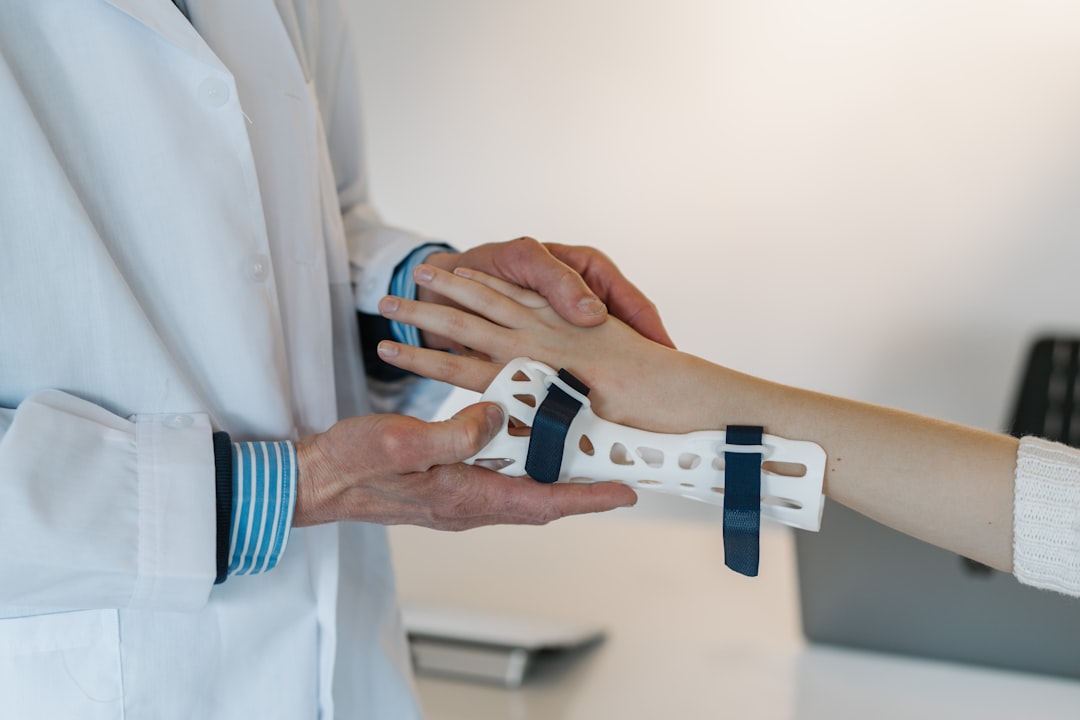
Dental care is essential for everyone, including special needs patients. However, individuals with special needs often face unique challenges when it comes to maintaining good oral health. Many special needs patients may have difficulty with regular dental visits due to physical, intellectual, or emotional limitations. As a result, they are at a higher risk of developing dental problems such as cavities, gum disease, and oral infections. It is crucial for special needs patients to receive proper dental care to prevent these issues and maintain overall health and well-being.
Special needs patients may require extra support and accommodations during dental visits to ensure their comfort and safety. Dental professionals who work with special needs patients must have the knowledge, skills, and compassion to provide appropriate care. Additionally, caregivers and family members play a vital role in advocating for the dental health of special needs individuals. By understanding the importance of dental care for special needs patients, we can work towards creating a more inclusive and supportive environment for their oral health needs.
Key Takeaways
- Dental care is crucial for special needs patients to maintain oral health and overall well-being
- Different types of dental sedation are available for special needs patients, including oral sedation, IV sedation, and general anesthesia
- Factors to consider when choosing dental sedation for special needs patients include medical history, level of anxiety, and the complexity of the dental procedure
- The dental team plays a vital role in providing safe and effective sedation for special needs patients, including thorough assessment and monitoring during the procedure
- Special needs patients and caregivers need to be well-prepared for dental sedation, including understanding the process, following pre-sedation instructions, and arranging for transportation and aftercare
- Potential risks and complications of dental sedation for special needs patients should be discussed with the dental team, including the possibility of allergic reactions, respiratory issues, and post-sedation nausea
- Aftercare and follow-up for special needs patients who have undergone dental sedation include monitoring for any adverse effects, following post-sedation instructions, and scheduling a follow-up appointment with the dentist
Types of Dental Sedation Available for Special Needs Patients
When it comes to providing dental care for special needs patients, sedation can be a valuable tool in ensuring a positive and stress-free experience. There are several types of dental sedation available for special needs patients, ranging from mild to deep sedation options. Nitrous oxide, also known as laughing gas, is a common form of mild sedation that can help relax patients during dental procedures. This type of sedation is administered through a mask and allows patients to remain conscious and responsive while feeling more at ease.
For special needs patients who require a higher level of sedation, oral sedatives or intravenous (IV) sedation may be recommended. Oral sedatives are taken in pill form and can induce a deeper state of relaxation, while IV sedation involves the administration of sedative medication through a vein, leading to a more profound level of sedation. General anesthesia is another option for special needs patients who require extensive dental treatment or have severe anxiety or behavioral challenges. This type of sedation renders the patient completely unconscious and is typically reserved for complex procedures performed in a hospital or surgical setting.
Factors to Consider When Choosing Dental Sedation for Special Needs Patients
When choosing dental sedation for special needs patients, several factors must be taken into consideration to ensure the safety and effectiveness of the sedation process. The patient’s medical history, physical and cognitive abilities, and level of anxiety or fear should all be carefully evaluated to determine the most suitable type of sedation. Additionally, the complexity and duration of the dental procedure will influence the choice of sedation, as well as the expertise and training of the dental team providing the sedation.
It is essential to involve the patient’s caregivers or family members in the decision-making process and to address any concerns or questions they may have regarding the sedation options. Open communication between the dental team, the patient, and their support system is crucial in creating a personalized sedation plan that meets the specific needs and preferences of the special needs individual. Furthermore, adherence to safety protocols and guidelines for sedation administration is paramount to minimize risks and ensure a positive outcome for the patient.
The Role of the Dental Team in Providing Safe and Effective Sedation for Special Needs Patients
The dental team plays a critical role in providing safe and effective sedation for special needs patients. Dentists, dental hygienists, and dental assistants who work with special needs individuals must undergo specialized training to understand the unique challenges and considerations associated with providing dental care to this patient population. This includes training in behavior management techniques, communication strategies, and emergency protocols specific to special needs patients.
In addition to clinical expertise, the dental team must also possess empathy, patience, and a non-judgmental attitude when interacting with special needs patients. Building trust and rapport with these individuals is essential in creating a comfortable and supportive environment for dental treatment. Furthermore, effective teamwork and collaboration among dental professionals are crucial in coordinating the sedation process and ensuring that all aspects of the patient’s care are addressed comprehensively.
Preparing for Dental Sedation: What Special Needs Patients and Caregivers Need to Know
Preparing for dental sedation involves thorough communication and education for both special needs patients and their caregivers. It is important for individuals with special needs to understand what to expect before, during, and after the sedation process. This may include providing visual aids, social stories, or other communication tools to help the patient comprehend the upcoming dental visit and alleviate any anxiety or fear they may have.
Caregivers also play a vital role in preparing special needs patients for dental sedation by ensuring that all pre-sedation instructions are followed, such as fasting requirements or medication protocols. They should be well-informed about the sedation process and potential side effects to monitor their loved one’s well-being post-sedation. Open dialogue between the dental team and caregivers is essential in addressing any concerns or clarifying any information related to the sedation procedure.
Potential Risks and Complications of Dental Sedation for Special Needs Patients
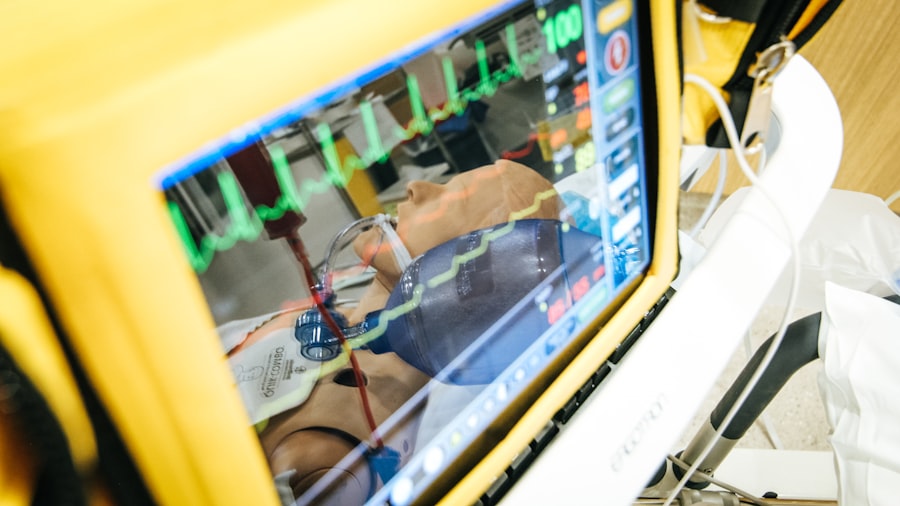
While dental sedation can greatly benefit special needs patients by facilitating necessary dental treatment, it is important to acknowledge that there are potential risks and complications associated with sedation. These may include adverse reactions to sedative medications, respiratory depression, cardiovascular issues, or allergic responses. Special needs patients may also have underlying medical conditions that could increase their susceptibility to complications during sedation.
To mitigate these risks, thorough medical screening and evaluation should be conducted prior to administering sedation to identify any contraindications or potential concerns. Additionally, adherence to strict safety protocols and continuous monitoring throughout the sedation process are essential in minimizing the likelihood of adverse events. The dental team should be prepared to manage any complications that may arise during or after sedation, including having emergency medications and equipment readily available.
Aftercare and Follow-Up for Special Needs Patients Who Have Undergone Dental Sedation
After undergoing dental sedation, special needs patients require appropriate aftercare and follow-up to ensure their recovery and well-being. Caregivers should closely monitor the patient for any lingering effects of the sedative medications and provide a safe and comfortable environment for them to rest and recuperate. Clear post-sedation instructions should be provided by the dental team to guide caregivers on managing any potential side effects or complications that may arise.
Follow-up appointments with the dentist may be necessary to assess the patient’s oral health status post-sedation and address any ongoing treatment needs. Open communication between the dental team and caregivers is crucial in monitoring the patient’s progress and addressing any concerns or questions that may arise following the sedation procedure. By providing comprehensive aftercare and follow-up support, special needs patients can experience a smooth recovery process and maintain optimal oral health outcomes.
In conclusion, dental care for special needs patients is of utmost importance in promoting their overall health and well-being. The use of appropriate dental sedation can help facilitate necessary treatment while ensuring the comfort and safety of special needs individuals during dental visits. By considering the unique needs and characteristics of each patient, implementing effective communication strategies, and adhering to safety protocols, the dental team can provide safe and compassionate care for special needs patients undergoing dental sedation. With proper preparation, monitoring, and follow-up, special needs individuals can receive the dental care they need in a supportive and inclusive environment.
If you’re interested in learning more about the latest technology in dentistry, you should check out this article on digital x-rays. Digital x-rays offer a more detailed and accurate view of your teeth and can help your dentist provide better care. This technology is just one example of how dental practices are constantly evolving to better serve their patients.