
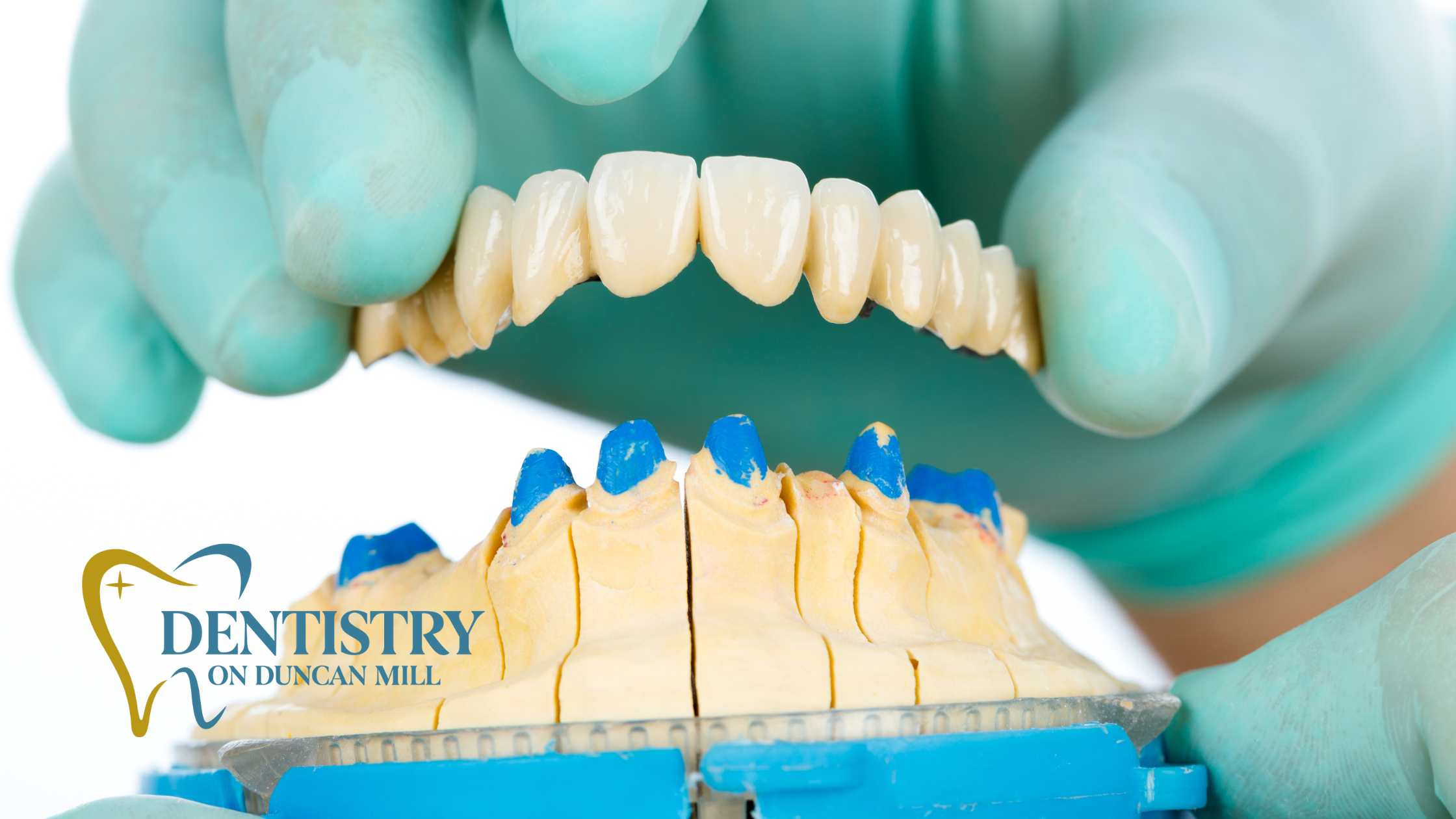
Over time, you may find yourself wondering how long a dental bridge is expected to last. This common dental solution can significantly enhance your smile and improve your oral function.
Understanding the lifespan of your dental bridge not only helps you plan for future dental care but also informs how you can maintain its longevity. In this post, you’ll learn about factors that influence the durability of your dental bridge and tips to make it last as long as possible.
The Factors That Influence Durability
Various aspects can determine how long your dental bridge remains functional and aesthetically appealing.
- Quality of materials used
- Patient’s oral hygiene and habits
- Underlying dental health conditions
- Frequency of dental check-ups
- Diet, including types of food and beverages consumed
Each factor plays a critical role in the durability and effectiveness of your dental bridge over time.
Quality of Materials Used
The durability of your dental bridge greatly depends on the materials chosen during the fabrication process. Materials such as porcelain-fused-to-metal and zirconia are known for their strength and durability, while all-ceramic options prioritize aesthetics, they may be more prone to chipping depending on bite force and placement.
Investing in a quality bridge can lead to fewer replacements and repairs, ultimately saving you time and money in the long run.
Patient’s Oral Hygiene and Habits
Your personal oral hygiene and habits play a significant role in the durability of a dental bridge. Maintaining good practices, such as brushing twice a day, flossing daily, and using an alcohol-free antimicrobial mouthwash, can help reduce bacteria and support gum health, which might jeopardize the stability of your bridge.
“In addition to brushing and flossing, investing in an oral irrigator, such as a water flosser, can be a powerful tool to clean hard-to-reach areas under and around your dental bridge, reducing the risk of plaque buildup and gum inflammation.” – Dentistry on Duncan Mill, located on Duncan Mill Rd. in North York, ON
Neglecting your oral hygiene can lead to complications that ultimately shorten the lifespan of your dental bridge. For instance, allowing bacteria to flourish around the bridge can cause gum inflammation and decay at the supporting teeth.
Additionally, habits such as grinding your teeth or using your teeth as tools can put stress on the bridge, leading to premature failure. Regular dental visits enable you to catch potential issues early, contributing to maintaining both your bridge and overall oral health.
The Lifespan of Dental Bridges: What the Research Says
Research indicates that dental bridges can last anywhere from 5 to 15 years, with proper care and maintenance significantly increasing their longevity. According to the Canadian Dental Association and peer-reviewed prosthodontic studies, dental bridges typically last 5 to 15 years, with some lasting over 20 years if maintained well.
“Remember, even a well-maintained dental bridge is not immune to wear over time. The key to maximizing its lifespan is adopting proactive care habits and addressing minor concerns before they evolve into major issues.” – Dentistry on Duncan Mill, located on Duncan Mill Rd. in North York, ON
Average Durability Based on Material
Dental bridges are commonly made from materials such as porcelain, metal, or a combination of the two. Porcelain-fused-to-metal (PFM) bridges typically last 10 to 15 years, while all-metal bridges may last 15 years or more.
Hybrid options can provide a balance between aesthetics and durability, typically falling in the middle of this range. Zirconia bridges, which are increasingly popular in Canadian practices, can also last 15 years or longer due to their strength and biocompatibility.
Factors Influencing Longevity
Multiple factors can influence how long your dental bridge will last, including oral hygiene practices, the bridge’s material, your bite alignment, and regular dental check-ups. Consistent care, such as brushing and flossing around the bridge, plays a vital role in preventing decay and prolonging the structure’s lifespan.
Additionally, habits like teeth grinding can lead to premature wear and unnecessary strain on your bridge.
The longevity of your dental bridge is supported by maintaining excellent oral hygiene, avoiding sugary or acidic foods, refraining from smoking and teeth grinding, and attending regular dental check-ups.
Understanding the factors that can influence the longevity of your dental bridge allows you to make informed decisions about your oral health. Your daily habits and adherence to dental visits will impact its durability significantly.
For optimal results:
- Avoid sticky or hard foods that could dislodge your bridge.
- Use a soft-bristled toothbrush to clean the area without causing damage.
- Consider using a night guard if you grind your teeth at night.
- If you notice any discomfort or changes, consult your dentist immediately.
Common Lifespans of Different Bridge Types
You might be surprised to learn that the longevity of dental bridges varies based on the type you choose. Understanding the average lifespan of each bridge type can help you make an informed decision.
- Traditional Dental Bridges: 10-15 years
- Cantilever Bridges: 10 years
- Maryland Bridges: 5-10 years
- Implant-Supported Bridges: 10-15 years
- Resin-Bonded (Maryland) Resin-Bonded (Maryland) Bridges typically last 5 to 10 years, but their longevity may be shorter in high-stress areas such as molars.
Remember: early intervention and consistent oral hygiene can significantly increase the lifespan of your dental bridge.
The Role of Maintenance in Prolonging Bridge Life
Proper maintenance significantly influences the longevity of your dental bridge. Daily oral hygiene practices, including brushing and flossing around the bridge, can prevent plaque accumulation and gum disease, which might compromise the integrity of the restoration.
Additionally, being mindful of your diet and avoiding hard or sticky foods can help minimize wear and tear. Regular upkeep ensures your bridge remains functional and aesthetically pleasing for years to come.
If you’re unsure what foods may affect your bridge, your dental hygienist or prosthodontist can provide a personalized dietary recommendation.
Best Practices for Dental Hygiene
Your daily oral hygiene routine is integral to maintaining your dental bridge. Brush your teeth at least twice a day with a fluoride toothpaste and use a soft-bristle toothbrush to gently clean around the bridge.
Floss carefully using dental floss or a floss threader to reach under the bridge. Consider using a chlorhexidine or cetylpyridinium chloride mouthwash, as recommended by your dental professional.
Signs Your Dental Bridge Might Be Failing
Being aware of the signs your dental bridge may be failing helps you address potential problems early. Some indicators include persistent pain, a feeling of looseness, visible decay on the abutment teeth (the natural teeth supporting the bridge)
“If you detect a slight looseness in your bridge but feel no discomfort, don’t dismiss it—this could be a sign of early-stage issues, such as weakening cement or minor bone loss, that a dentist can stabilize with timely care.” – Dentistry on Duncan Mill, located on Duncan Mill Rd. in North York, ON
If you notice any changes in bite alignment or significant discoloration, these can also suggest that your dental bridge needs immediate attention. Failure to act can lead to complications that may require more extensive dental procedures.
Immediate Steps to Take
If you think your dental bridge is failing, call your dentist for an appointment. Avoid any hard or sticky foods that could exacerbate the issue while waiting for your appointment.
Keep the area clean with gentle brushing and rinses to prevent further complications. Document any symptoms you experience to share with your dentist, which can aid in diagnosis and treatment.
Scheduling an appointment with your dentist as soon as you notice any concerns is vital. Provide them with details about what you’ve been feeling, as this information guides your dental professional in determining the best course of action.
During your visit, expect a thorough examination that may include X-rays to assess the underlying structures. Being proactive can often save time, costs, and more complex procedures down the line, ensuring your dental health remains in good standing.
Signs of Wear and Tear
Common signs of wear and tear on your dental bridge include visible cracks or chips in the bridge material and changes in how the bridge aligns with your other teeth. Food particles trapped under the bridge could suggest poor fit or gum recession.
If you catch these issues early, you can often avoid more serious problems.
The Importance of Regular Dental Check-ups
Regular dental check-ups are important for monitoring the condition of your dental bridge and overall oral health. Your dentist will perform thorough examinations to catch any issues early, maintaining the integrity of your bridge and surrounding teeth.
Dentists in Canada typically recommend check-ups every six to nine months, depending on your oral health needs. During these appointments, the dentist assesses the bridge’s fit, inspects for any signs of decay or gum disease, and addresses potential complications before they escalate.
Early intervention can often extend the lifespan of your bridge significantly, making those check-ups a wise investment in your oral health.
Cost Analysis and Long-term Value
When evaluating the cost of dental bridges versus alternatives like implants, In Canada, dental bridges generally cost between CAD $2,000 and $5,000 per unit, depending on the material and number of pontics.
However, consider the longevity factor; while bridges may necessitate replacement every 5 to 15 years, dental implants, despite their higher initial investment (around $3,000 to $6,000), potentially offer a lifetime solution if cared for properly.
Weigh the initial costs against expected longevity and potential additional expenses, as ongoing oral health and maintenance can influence overall value significantly.
Lessons Learned from Replacement Experiences
Some patients have faced the need for replacement due to poor maintenance or complications from untreated oral health issues. They learned valuable lessons about the significance of regular dental check-ups and proper oral hygiene to prolong the lifespan of their bridges.
These experiences underscore that investing time in dental care can significantly impact the durability of your dental work.
Insights from replacement experiences often reveal common trends, such as the correlation between gums’ health and bridge longevity. Patients who neglected routine cleanings or faced periodontal disease found their bridges failed sooner than expected.
Understanding the vital link between overall oral hygiene and the maintenance of dental bridges can empower you to prioritize your dental health, ensuring your investments last as long as possible.
When to Seek Professional Advice
Monitoring the condition of your dental bridge is crucial, as changes may indicate the need for professional evaluation. If you experience discomfort, swelling, or visible decay around the bridge, it’s wise to consult your dentist.
Additionally, if you notice any looseness or shifting in the bridge, don’t delay in seeking advice. Early intervention often leads to better outcomes and longer-lasting solutions.
Recognizing the Need for Replacement
Signs that your dental bridge may need replacement include persistent pain, difficulty in chewing, or noticeable wear. You might also observe changes in your bite or increased sensitivity around the bridge area.
If any of these symptoms arise, consulting your dentist can provide clarity on whether a replacement is necessary.
Exploring Alternative Options
If you’ve determined that your dental bridge requires replacement, you have multiple alternatives to consider, such as dental implants, partial dentures, or innovative fixed bridges. Each option carries its benefits, so understanding the differences ensures you make the best choice for your oral health and preferences.
For those considering alternatives to dental bridges, dental implants can serve as a robust long-term solution, providing stability and preserving jawbone health. Unlike bridges, implants require a surgical process, but they offer a permanent fix that functions like natural teeth.
Partial dentures present a non-invasive, removable option that may suit some lifestyles more effectively. Consulting your dentist about these alternatives will help you weigh factors like cost, longevity, and the impact on your oral health, ensuring an informed decision tailored to your specific needs.
Summing Up
With this in mind, a dental bridge typically lasts between 5 and 15 years, depending on various factors such as your oral hygiene, diet, and regular check-ups. Maintaining excellent oral hygiene, addressing dental issues promptly, and following professional advice can extend the life of your bridge and support overall oral health.
Be sure to consult your dentist for personalized advice and regular assessments to ensure your bridge remains in optimal condition.
Ready to Restore Your Smile with a Long-Lasting Dental Bridge?
If you’re considering a dental bridge or need expert advice on maintaining your current restoration, our team at Dentistry on Duncan Mill is here to help. Conveniently located on Duncan Mill Rd. in North York, ON, we provide personalized, high-quality dental care you can trust. Contact us today to schedule your consultation and take the next step toward a stronger, healthier smile!
Reviewed by: Dentistry on Duncan Mill