
Many people face the difficult decision of selecting between a dental bridge and a dental implant after experiencing tooth loss. Understanding the differences, benefits, and potential drawbacks of each option is necessary for making an informed choice that will impact your oral health and overall well-being.
In this guide, you will explore vital factors such as cost, longevity, and maintenance to help you choose the best solution for your unique situation. Your smile deserves the best, and this information will empower you to make a confident decision.
Key Takeaways:
- Evaluate the extent of tooth loss and the surrounding dental health, as this affects the suitability of bridges and implants.
- Consider the longevity and maintenance of each option; implants generally offer a longer lifespan with proper care, while bridges may need to be replaced sooner.
- Consult with a dental professional to discuss personal preferences, budget, and overall health, as these factors play a significant role in the decision-making process.
Understanding Tooth Loss
Tooth loss can occur for various reasons and significantly affects your overall well-being. Understanding the underlying causes and consequences will help you make informed decisions about healing options.
Whether due to decay, injury, or other health issues, it’s important to recognize how tooth loss impacts your oral health and can lead to further complications if not addressed promptly.
Common Causes
While tooth loss can result from a variety of factors, some of the most common reasons include severe decay, gum disease, trauma, or even extraction due to overcrowding. By understanding these causes, you can take preventive measures to protect your remaining teeth.
Impact on Oral Health
If you experience tooth loss, it can lead to several negative effects on your oral health, including changes in bite alignment, increased risk of gum disease, and bone loss in the jaw. This can subsequently affect your overall health if not managed properly.
Impact on your oral health extends beyond just missing teeth. The loss of a tooth can lead to shifting of adjacent teeth, affecting your bite and making chewing difficult.
Additionally, it can cause bone loss in the jaw, as the stimulation from the tooth root is no longer present. Over time, this can lead to facial changes and further complications, including a higher risk of developing gum disease.
Addressing tooth loss promptly with suitable options can help maintain your oral integrity and overall health.
Overview of Dental Options
You have various dental options when it comes to replacing a lost tooth. The most common solutions include dental bridges and implants, each offering unique benefits and considerations.
Understanding the differences between these options will help you make an informed choice that best suits your specific needs and lifestyle.
Bridges
Overview: A dental bridge is a prosthetic device that fills the gap created by a missing tooth. It typically consists of crowns for the adjacent teeth and a false tooth in between, effectively “bridging” the space.
While bridges can restore your smile and improve functionality, they may require altering surrounding teeth for support.
Implants
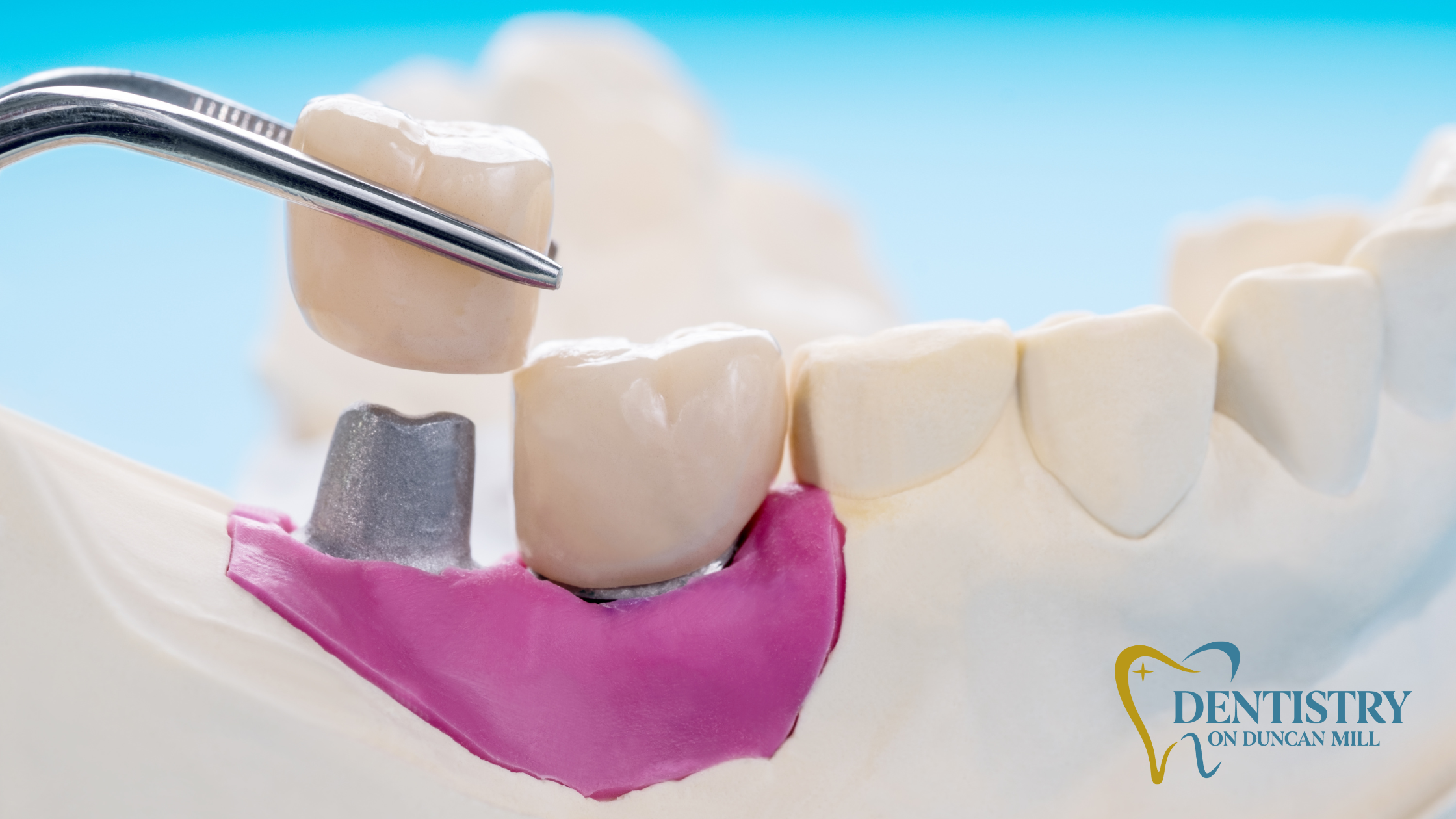
Bridges: Dental implants involve a surgical procedure where a titanium post is inserted into your jawbone to serve as a replica tooth root. This option provides a more permanent solution, mimicking the function of natural teeth.
Because implants integrate with your bone, they can help preserve your jawbone and prevent further oral health issues.
Options: Dental implants offer several benefits, including enhanced durability and a natural appearance. Unlike bridges, implants do not rely on neighboring teeth for support, which maintains their health.
However, the procedure is more expensive and requires surgery, and it may not be suitable for everyone. It’s vital to evaluate your overall health and consult your dentist to determine if implants are the right choice for you.
Factors to Consider
All important factors must be taken into account when choosing between a bridge and an implant after tooth loss. Consider the following:
- Cost
- Longevity
- Dental health
- Aesthetics
- Maintenance
Any decision should be based on a thorough assessment of these aspects to ensure the best outcome for your dental health.
Cost Analysis
Any consideration of dental options must include an analysis of the cost. Typically, implants have a higher upfront cost than bridges, but it’s vital to evaluate your long-term financial commitment.
Bridges may require future replacements, which could accumulate additional expenses.
Longevity and Durability
On assessing longevity and durability, it’s vital to understand how long each option will last. Implants can last a lifetime with proper care, while bridges usually require replacements every 5 to 15 years, depending on various factors.
With implants, you gain a robust solution that integrates with your jawbone, promoting bony integration and preventing bone loss. In contrast, bridges might compromise adjacent teeth, potentially leading to further dental issues.
The importance of choosing a long-lasting solution cannot be understated, as implants offer superior durability and require less maintenance over time. However, personal dental health, along with your oral hygiene habits, will impact the longevity of either option significantly.
Benefits of Each Option
After experiencing tooth loss, understanding the benefits of both bridges and implants can help you make an informed decision that aligns with your needs and lifestyle. Each option comes with unique advantages that cater to different preferences, durability requirements, and aesthetic goals.
Advantages of Bridges
You will appreciate that bridges are typically less invasive than implants, requiring no surgery and a shorter treatment time. They can effectively restore your smile and improve chewing function with a more streamlined process.
Additionally, bridges can be more affordable upfront, making them a practical choice for many.
Advantages of Implants
If you seek a long-term solution, implants offer significant benefits in terms of durability and functionality. Unlike bridges, which may require replacement over time, implants are designed to last a lifetime with proper care.
They also preserve your jawbone and prevent further bone loss, which is vital for maintaining your facial structure.
Another notable benefit of implants is their ability to provide a natural appearance. Since they fuse with your jawbone, implants behave like natural teeth, offering improved comfort and stability compared to bridges.
This means you can eat, speak, and smile confidently without the worry of shifting or discomfort. Furthermore, with the right care, implants have a high success rate, making them a dependable option for many individuals seeking a permanent solution to tooth loss.
Tips for Making a Decision
Once again, consider these factors to guide your choice between a bridge and an implant:
- Your overall health
- Cost implications
- Desired longevity of the solution
- Aesthetic preferences
The best approach is to weigh each factor based on your unique situation.
Consulting Dental Professionals
Tips for involving experts include seeking opinions from multiple dental professionals to gain a well-rounded understanding of your options. Discuss your specific case, and ask about the pros and cons of both bridges and implants.
Their experience can help illuminate what might work best for you.
Evaluating Personal Preferences
On evaluating your personal preferences, think about how each option aligns with your lifestyle and comfort level. Consider factors like maintenance, appearance, and how each choice might impact your daily routine.
The right decision hinges on how much you value aesthetics, convenience, and long-term durability. If you prioritize a natural look and are willing to invest time in upkeep, an implant might appeal more.
Alternatively, if you prefer a faster solution with less invasive procedures, a bridge would suit your needs better. Always weigh the pros and cons carefully to find your ideal fit.
Aftercare and Maintenance
Unlike natural teeth, both dental bridges and implants require different levels of aftercare. Maintaining proper oral hygiene is imperative to prolong their lifespan and keep your mouth healthy.
Regular check-ups with your dentist will help ensure that both options remain in good condition, as well as assist in addressing any issues that may arise over time.
Caring for Bridges
Assuming you have a dental bridge, it’s important to keep the area around it clean. Daily brushing and flossing are necessary to minimize plaque buildup.
You may also want to use a floss threader or interdental brushes to reach areas that are difficult to clean around the bridge.
Caring for Implants
Caring for your dental implants involves good oral hygiene practices similar to those you use for your natural teeth. Regular brushing, flossing, and the use of antimicrobial mouthwash can help maintain proper health and prevent any infections.
Another important aspect of caring for implants is keeping up with routine dental visits. During these appointments, your dentist can monitor the health of your implants, identify any potential issues early, and ensure that there is no bone loss or gum disease around the implant site.
Additionally, avoid using tobacco products, as these can significantly impact the success of your implants. By following these practices, you can contribute to the long-term success of your dental implants and maintain a healthy mouth.
Summing up
Following this guide, you should have a clearer understanding of how to choose between a bridge and an implant after tooth loss. Consider factors such as your oral health, budget, and long-term goals when making your decision.
Consulting with your dentist will provide personalized recommendations tailored to your situation, helping you select the option that best fits your needs. Whether you opt for a bridge or an implant, addressing tooth loss promptly can significantly improve your oral health and overall quality of life.
Considering dental implants or bridges? Visit Dentistry on Duncan Mill to consult with experienced professionals who can guide you toward the best tooth replacement option for your needs.