
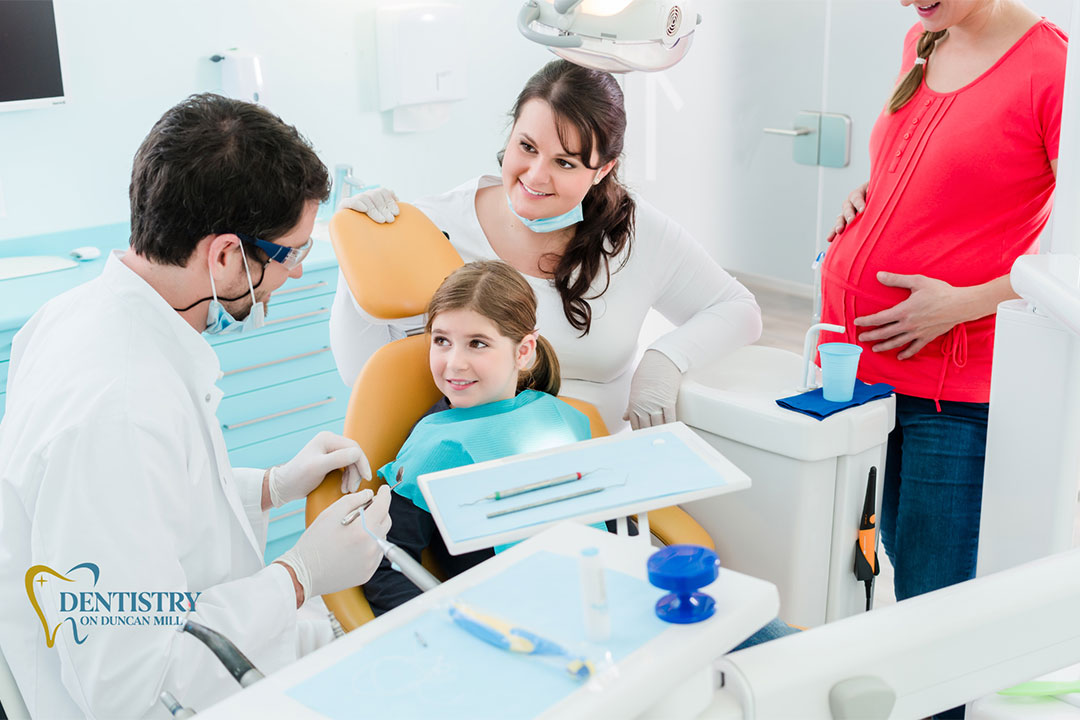
Preventive care in family dentistry is the cornerstone of maintaining optimal oral health for you and your loved ones. By prioritizing regular dental check-ups, cleanings, and early intervention, you can prevent serious dental issues down the line. Embracing preventive care not only saves you time and money in the long run, but also ensures that you and your family enjoy healthy smiles for years to come. Let’s explore the multitude of benefits that preventive care in family dentistry has to offer.
Key Takeaways:
- Preventive care is imperative. Regular dental check-ups and cleanings can help prevent oral health issues before they become more serious problems.
- Early detection saves money and discomfort. By catching dental issues early, you can avoid costly and painful treatments in the future.
- Promotes overall health. Taking care of your teeth not only promotes overall health but also helps prevent systemic issues.
The Importance of Preventive Care
A key aspect of family dentistry is the emphasis on preventive care. By regularly visiting your dentist for check-ups and cleanings, you can take proactive steps to maintain your oral health and prevent any potential issues from arising.
Reducing the Risk of Oral Health Issues
A critical benefit of preventive care is that it helps reduce the risk of various oral health issues. By staying on top of your dental appointments, your dentist can detect any early signs of tooth decay, gum disease, or other problems and address them before they escalate into more serious conditions. This proactive approach can save you from experiencing discomfort, potential tooth loss, and costly treatments down the line.
Saving Time and Money in the Long Run
Preventive care not only helps to maintain good oral health, but it also saves you time and money in the long run. By addressing any issues early on, you can avoid the need for extensive and expensive dental procedures. Regular cleanings and check-ups are more cost-effective than dealing with advanced dental problems that may require complex treatments. Additionally, by preventing oral health issues, you can save yourself from the inconvenience of emergency dental visits and the associated costs.
Time is a valuable resource, and investing a little time in preventive care for your oral health can potentially save you from spending significant time in the dentist’s chair dealing with more serious dental issues. Taking a proactive approach to preventive care can ultimately lead to less time spent on dental treatments and more time enjoying a healthy smile.
The Role of Regular Check-Ups
Even if you diligently brush and floss every day, regular check-ups with your family dentist are crucial to maintaining excellent oral health. These routine visits play a vital role in preventive care because they allow your dentist to monitor your oral health and address any issues before they become serious problems.
Identifying Potential Problems Early On
A crucial aspect of regular check-ups is the early identification of potential oral health issues. Through thorough examinations and diagnostic tests, your dentist can detect any signs of cavities, gum disease, or other problems in their early stages. Early detection of these issues allows for more effective treatment, preventing future pain and costly treatments.
Preventing Costly Procedures
In family dentistry, the primary goal of preventive care is to help you avoid the need for more extensive and costly dental procedures in the future. Regular check-ups can help prevent common oral health issues such as cavities, gum disease, and tooth decay. This proactive approach not only saves you money in the long run but also ensures that your oral health remains in top condition.
Untreated problems can worsen and necessitate more invasive treatments such as root canals, dental implants, or oral surgery. By staying consistent with your preventive care appointments, you can significantly reduce the risk of these complex and costly procedures.
Good Oral Hygiene Habits
Many people underestimate the importance of proper oral hygiene habits in maintaining a healthy smile. Proper brushing and flossing techniques are one of the most important habits you can adopt to ensure that your teeth and gums stay free from bacteria and plaque buildup.
Brushing and Flossing Techniques
To maintain optimal oral health, it is important to brush your teeth at least twice a day with fluoride toothpaste and floss once a day. When brushing, be sure to use gentle circular motions and pay attention to all surfaces of your teeth, including the gumline. Flossing helps remove food particles and plaque from areas that your toothbrush may not reach, such as between teeth and below the gumline.
Choosing the Right Toothpaste and Mouthwash
The right toothpaste and mouthwash can also play a significant role in your oral hygiene routine. With the vast array of products available on the market, it can be overwhelming to choose the right ones for your needs. For instance, choosing a sensitivity-designed toothpaste can help alleviate discomfort and protect your enamel if you have sensitive teeth. Mouthwashes containing fluoride can provide an extra layer of protection against cavities and strengthen your teeth. Remember to consult your dentist for recommendations tailored to your specific oral health needs.
Diet and Nutrition
The Impact of Sugar and Acidic Foods on Teeth
Sugar is one of the biggest culprits when it comes to tooth decay. When you consume sugary foods or drinks, the bacteria in your mouth feed on the sugar and produce acids that attack your tooth enamel. Over time, this can lead to cavities and other dental issues. It’s crucial to limit your intake of sugary foods and beverages to protect your teeth.
Eating a Balanced Diet for Healthy Teeth and Gums
Acidic foods can also be harmful to your teeth, as they can wear down the enamel and make them more susceptible to decay. To maintain good oral health, it’s crucial to eat a balanced diet that includes a variety of fruits, vegetables, lean proteins, and whole grains. These foods provide crucial nutrients that can help strengthen your teeth and gums.
It’s not just about avoiding harmful foods; incorporating tooth-friendly options into your diet can make a significant difference in your oral health. Foods high in calcium, such as dairy products and crunchy fruits and vegetables that can help clean your teeth while you eat, are excellent choices for maintaining a healthy smile. Be mindful that what you eat plays a significant role in your overall dental health.
Fluoride and Sealants
The Benefits of Fluoride Treatments
The only thing you need to know about fluoride treatments is that they are a simple yet highly effective way to prevent tooth decay. Fluoride treatments help to strengthen your teeth, making them more resistant to acid attacks from plaque and sugars in your mouth. This can be especially beneficial for children, as their teeth are still developing and more prone to decay.
How Sealants Can Protect Children’s Teeth
Fluoride is not the only preventive measure available. Sealants are another great option, especially for children. Sealants apply a thin protective coating to the chewing surfaces of the back teeth. This creates a barrier that prevents food particles and bacteria from settling into the crevices of the teeth and causing cavities. Sealants can be long-lasting and are a fantastic way to protect your child’s teeth during their formative years.
Understanding the importance of sealants for your child’s oral health can have a significant impact on their dental well-being. By investing in sealants, you are taking proactive steps to safeguard their teeth against decay, ensuring they have a strong foundation for a lifetime of healthy smiles.
Preventive Care for Special Groups
Despite the misconception that dental care during certain stages of life is unnecessary, preventive care for special groups is crucial for maintaining excellent oral health. Special groups such as pregnant women, children, and adolescents have distinct dental needs that require attention and care.
Oral Health During Pregnancy
During pregnancy, changes in your body can have an impact on your oral health. Hormonal shifts can make you more susceptible to gum disease and other dental issues. During this time, it is necessary to prioritize preventive dental care to ensure that your oral health does not deteriorate. Regular dental check-ups, cleanings, and proper at-home care are important to prevent any potential problems that may arise.
Dental Care for Children and Adolescents
Any parent knows the challenges of getting children and adolescents to practice excellent dental habits. However, starting early with preventive care can set the foundation for a lifetime of excellent oral health. Regular dental visits from a young age can help monitor the development of the child’s teeth, address any issues early on, and educate both the child and parent on proper oral hygiene practices.
Establishing a positive relationship between your child and their dentist is critical to ensuring that they feel comfortable and safe during their dental visits. Early dental experiences can shape a child’s attitude towards dental care for the rest of their life, so it’s important to make these experiences as pleasant as possible.
To wrap up,
Ultimately, investing in preventive care in family dentistry can save you time, money, and potential discomfort in the long run. By scheduling routine dental check-ups, you can catch any issues early on and prevent them from progressing into more serious problems. This proactive approach not only benefits your oral health but also your overall well-being. Bear in mind that taking care of your teeth now will pay off later by helping you maintain a healthy and beautiful smile.